
-P.Archibald Furtado
MONTHI FESTH — A FEAST OF FAMILY, NATURE AND LOVE..
A nostalgic journey from the 'fields of Barkur' to the 'Global Barkurians world...'
There are some festivals that we celebrate every year, and then there are festivals that 'we live'.
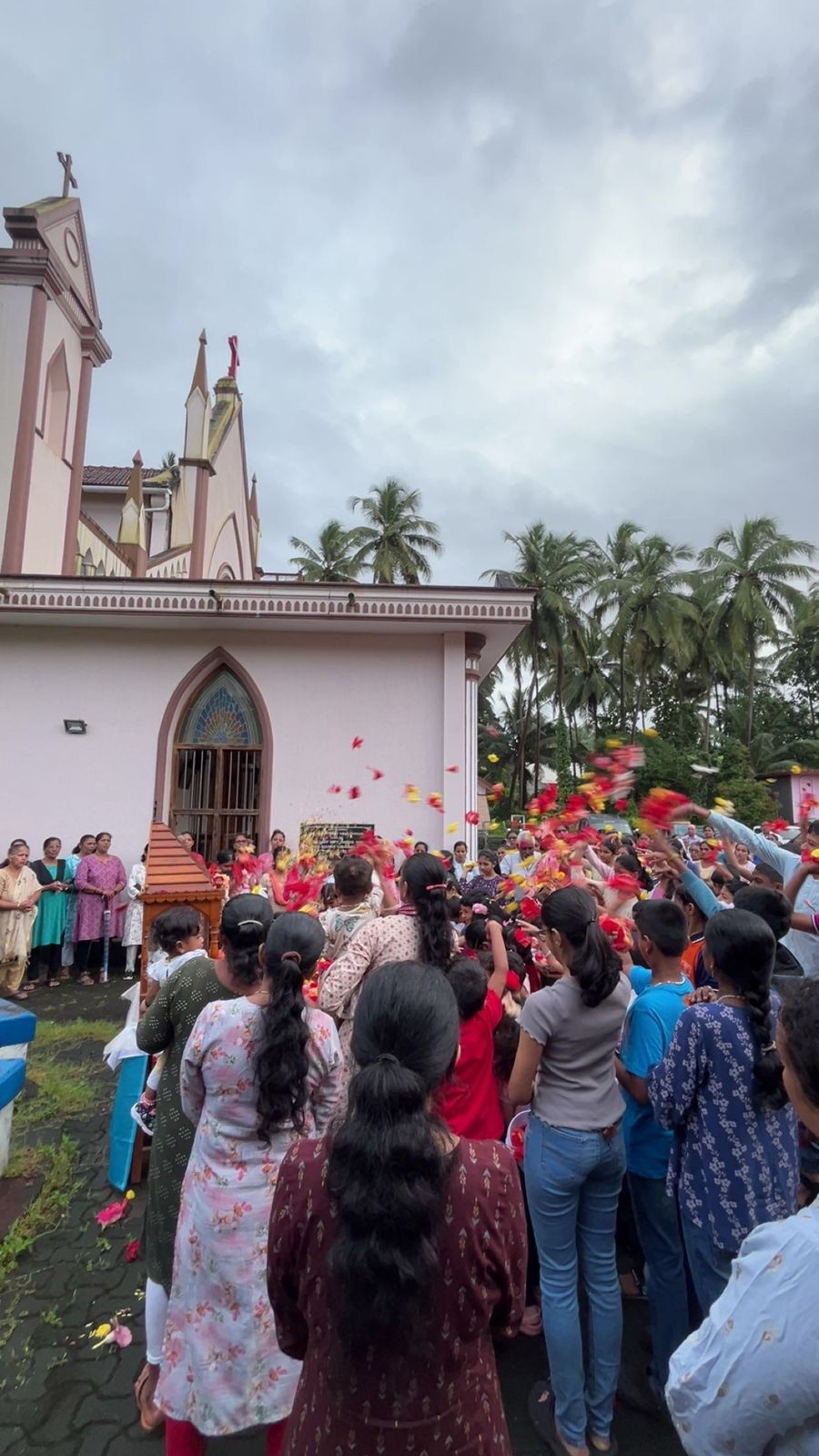
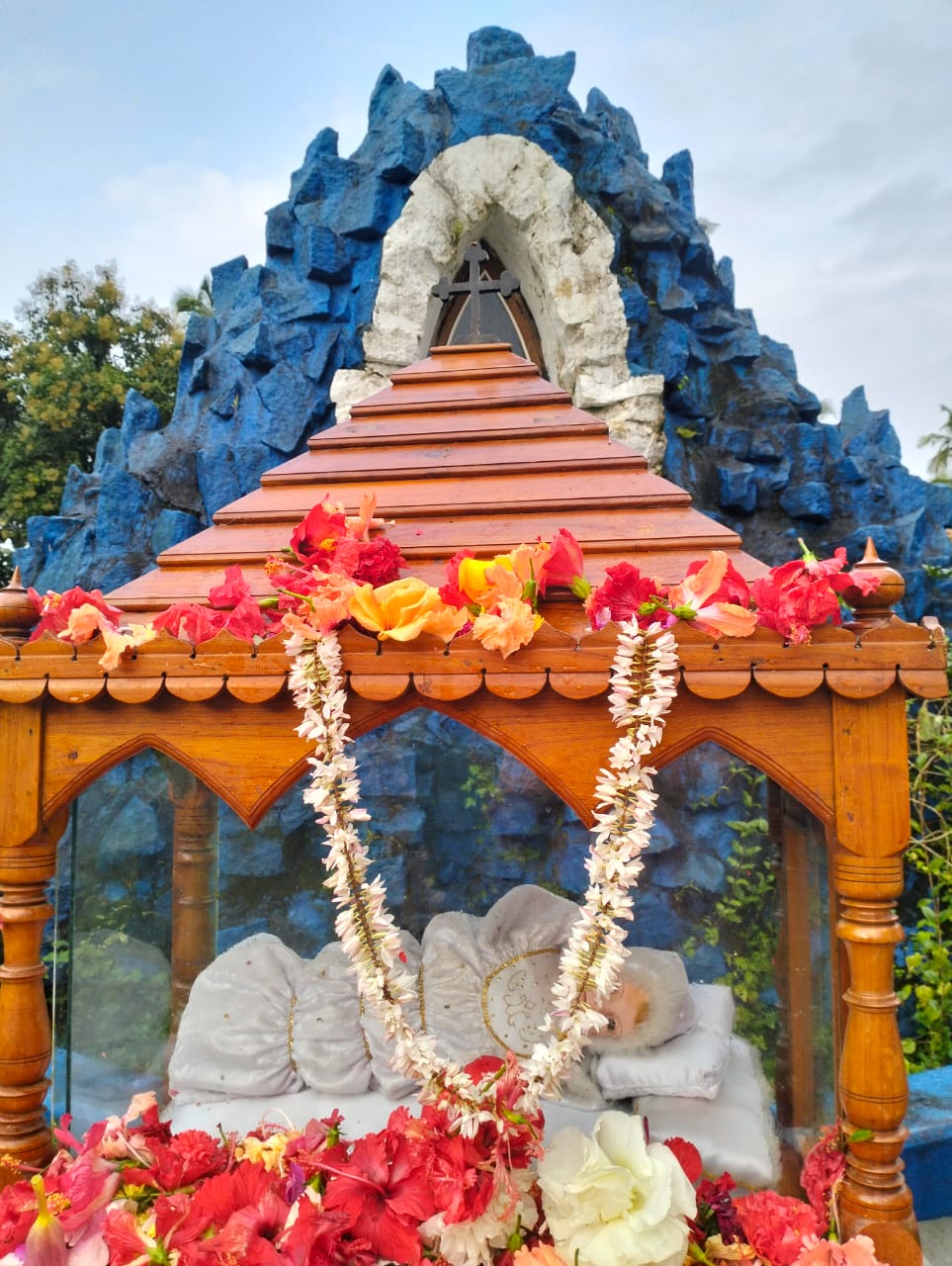
For generations of Konkani Catholics, Monthi Festh—the Feast of the Nativity of the Blessed Virgin Mary—has been one such celebration. It is not merely a feast on the Church calendar; it is an emotion, a tradition, a family reunion and a beautiful expression of our gratitude for God's blessings.
For all of us who grew up in picturescape Barkur and its surrounding villages, September had a magic of its own.
The rains would slowly begin to retreat. The rivers and canals would still be full, the fields would be fresh and serene and nature seemed to wear a new dark green dress. Homes would be busy with the arrival of the new harvest. Paddy and sugar cane fields, vegetables and other produce from the fields brought a special joy to every household.
And then came September 8th—the birthday of Mother Mary.
We called it simply 'Monthi Festh'.
Today, as I look back, after more than five or more decades, those memories remain remarkably fresh. What we experienced as children was perhaps much more than we understood at the time.
It was a celebration of faith, family, nature, community and gratitude—values that have not lost their relevance, to a great extent even after generations.
The Barkur of Our Childhood:
In those days, Barkur was predominantly an agricultural community. The 'Monthi Festh' season naturally became a celebration of the new harvest.
The Church and the town seemed to come alive.
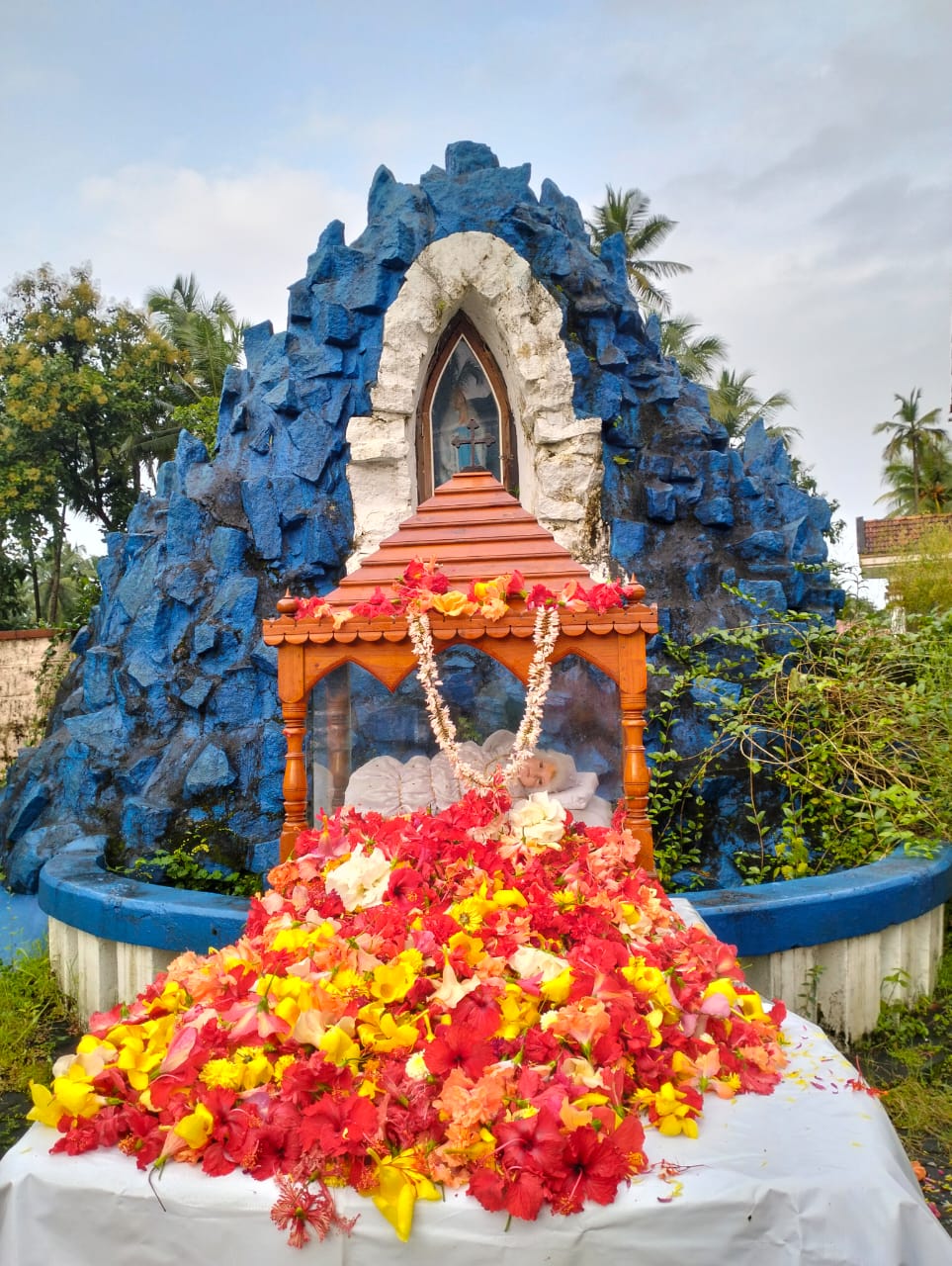
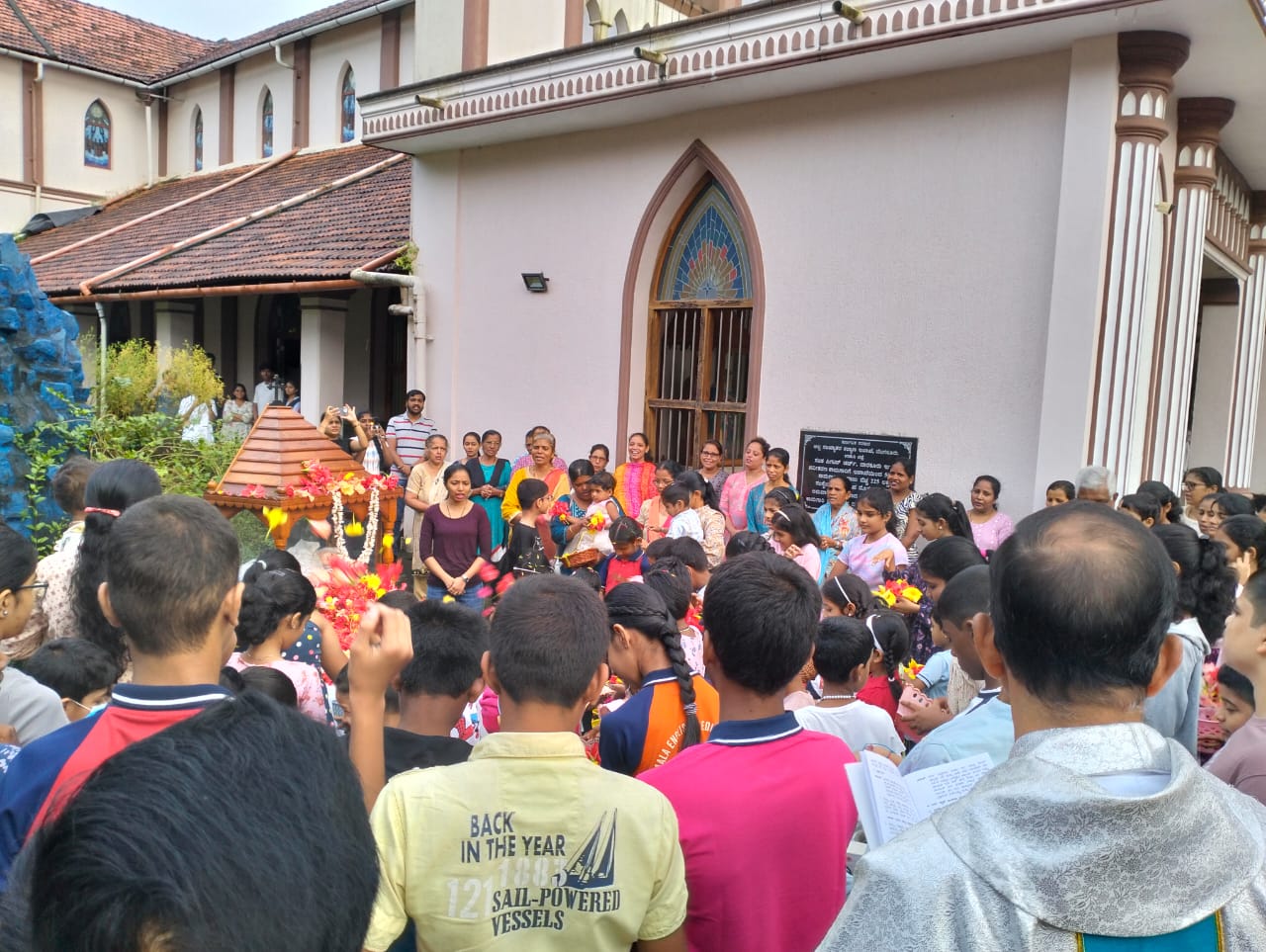
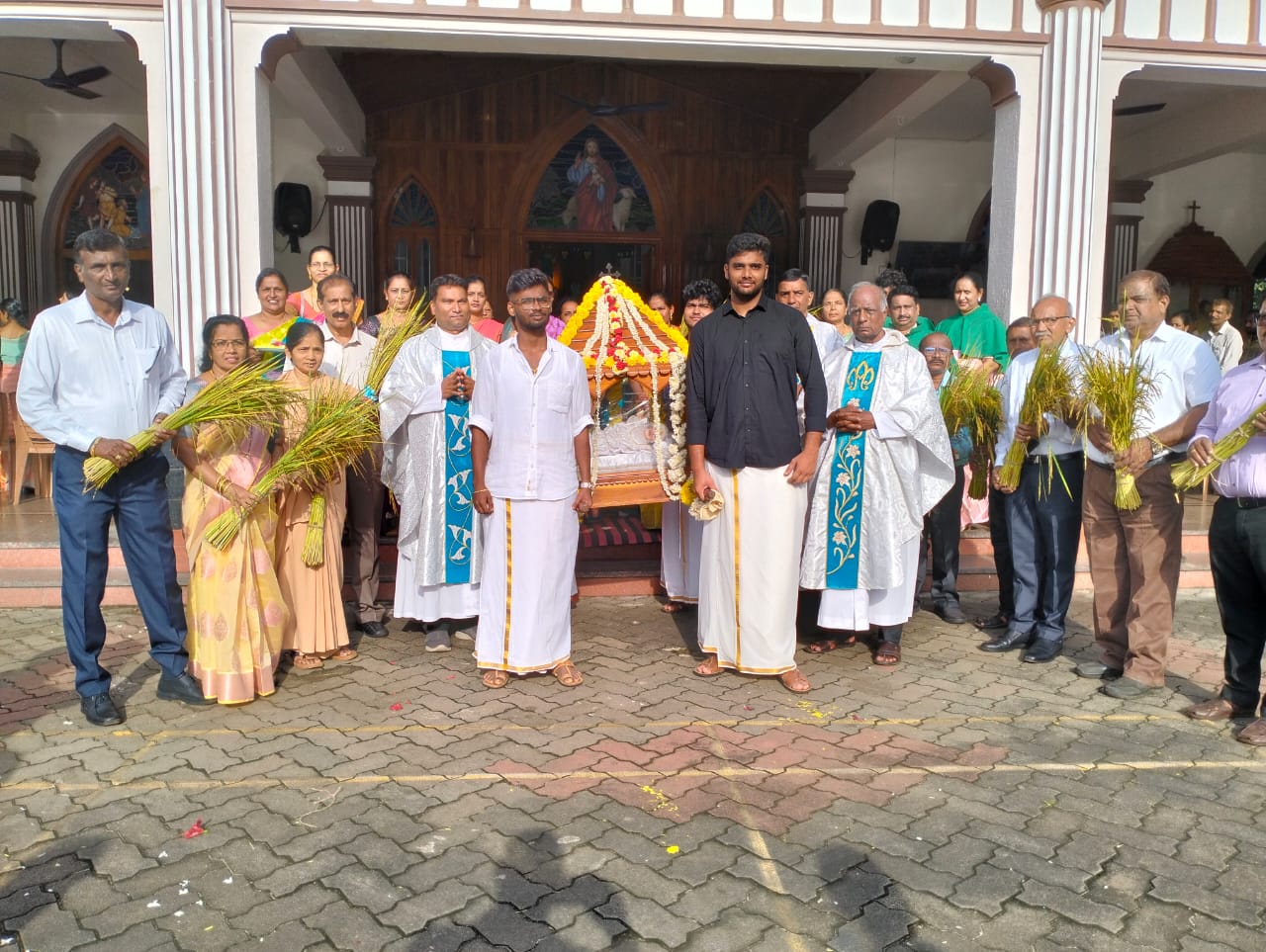
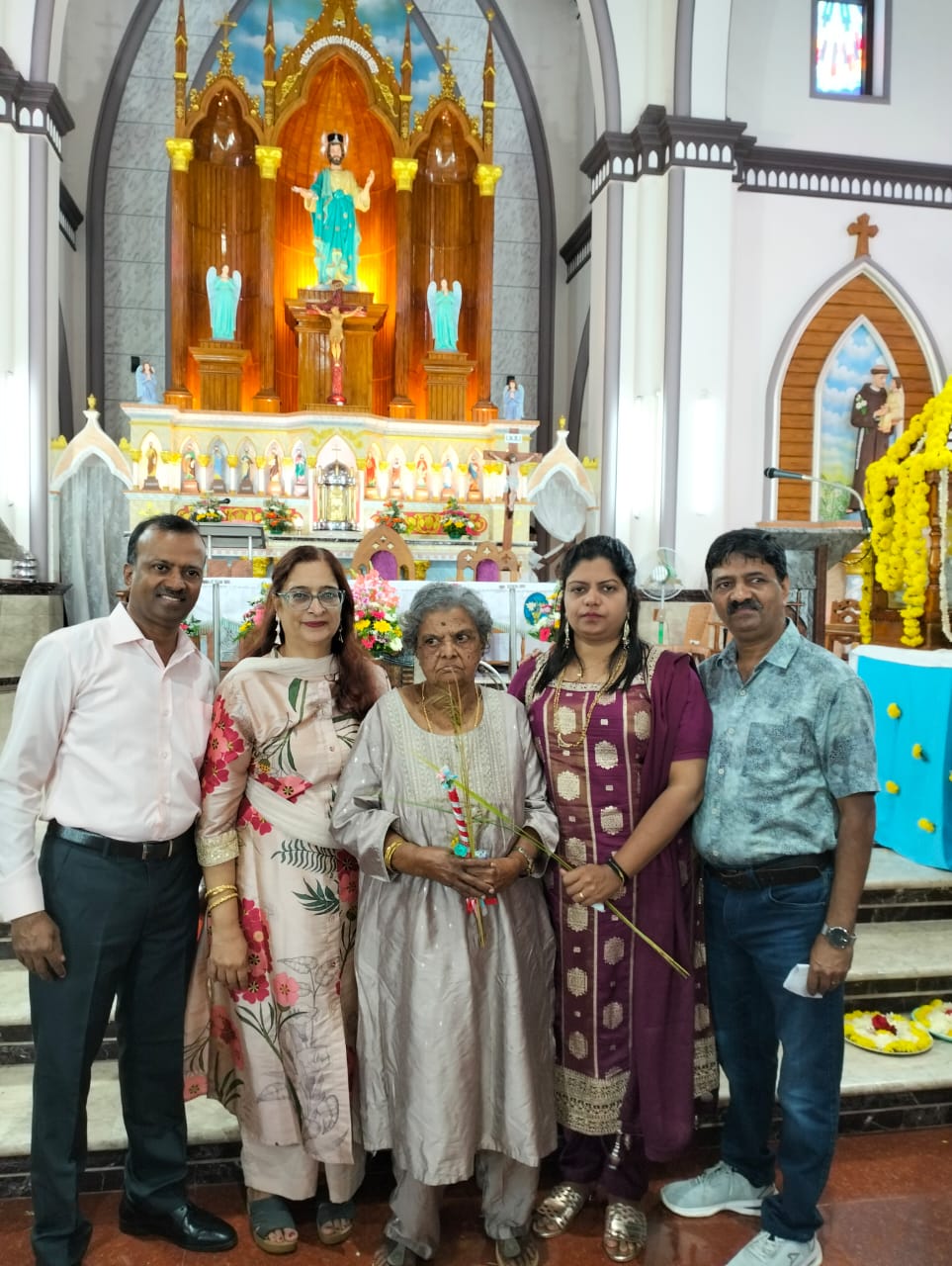
At Barkur Church, the days leading to the feast had their own unmistakable rhythm. The traditional nine days Novena brought children and families together. The statue of Infant Mary, beautifully decorated with flowers, became the centre of our devotion.
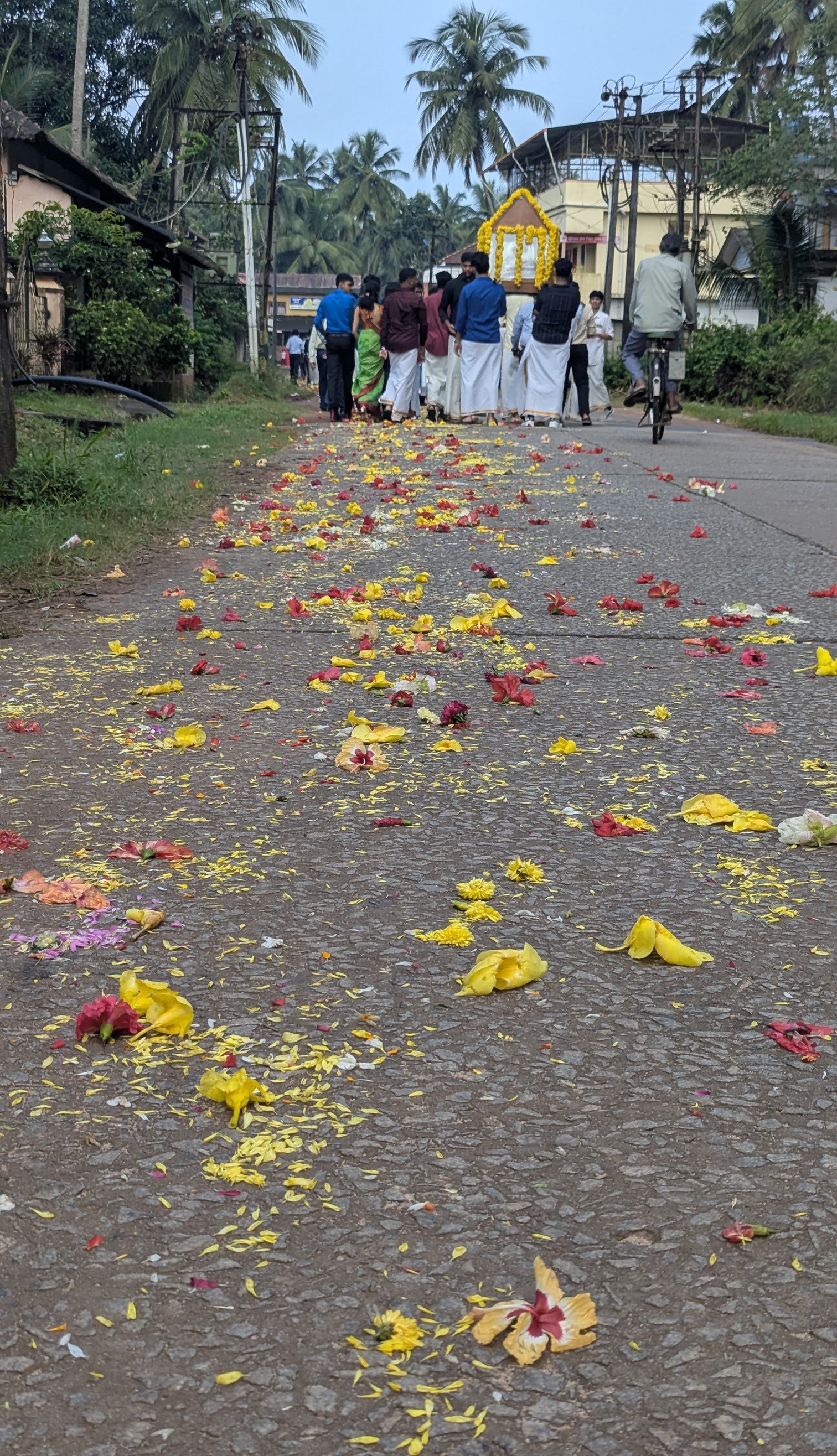
The smell of fresh flowers, the sound of hymns, the ringing of the Church bells and the gathering of people from different parts of the parish created an atmosphere that is difficult to describe in words.
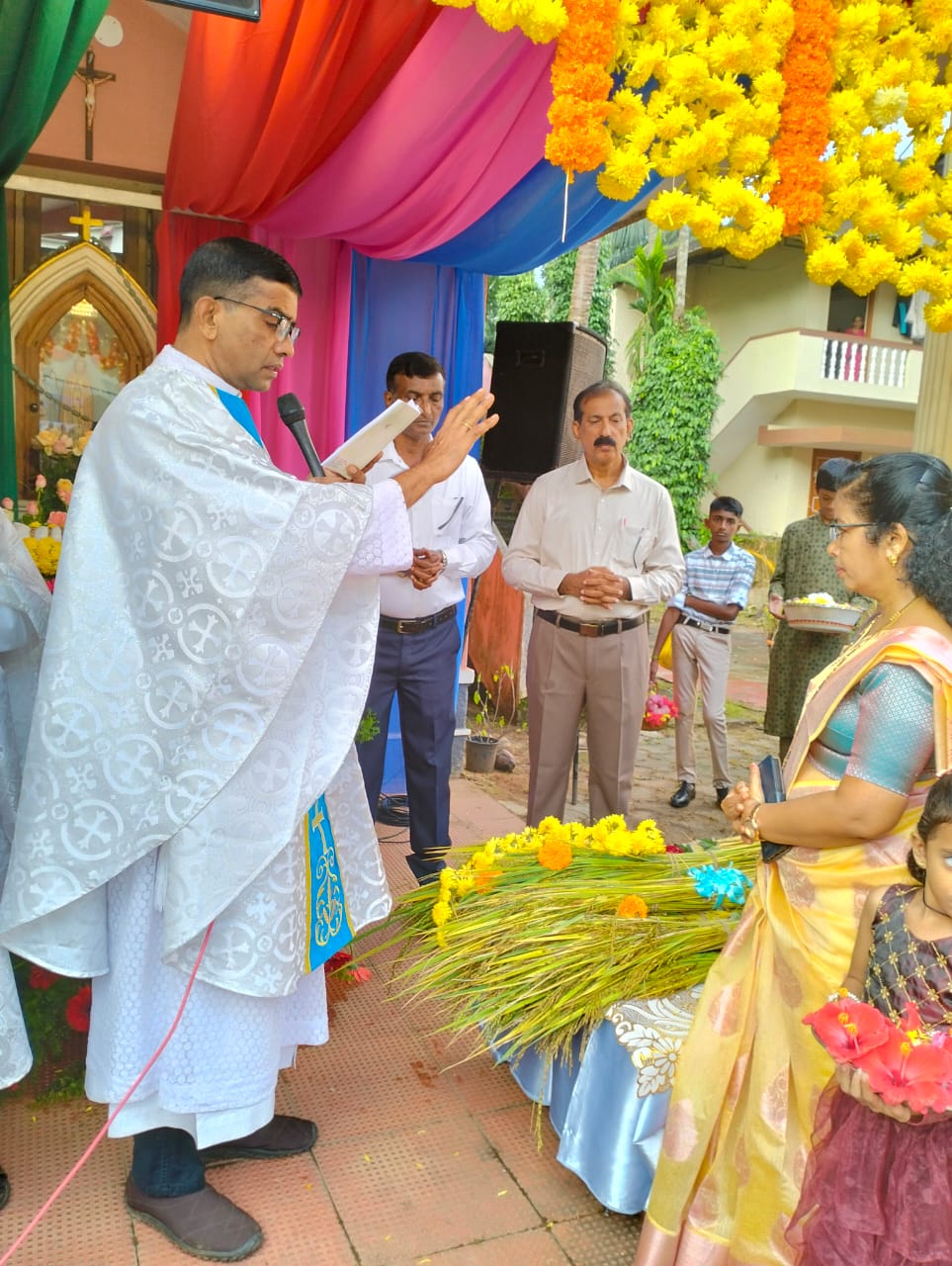
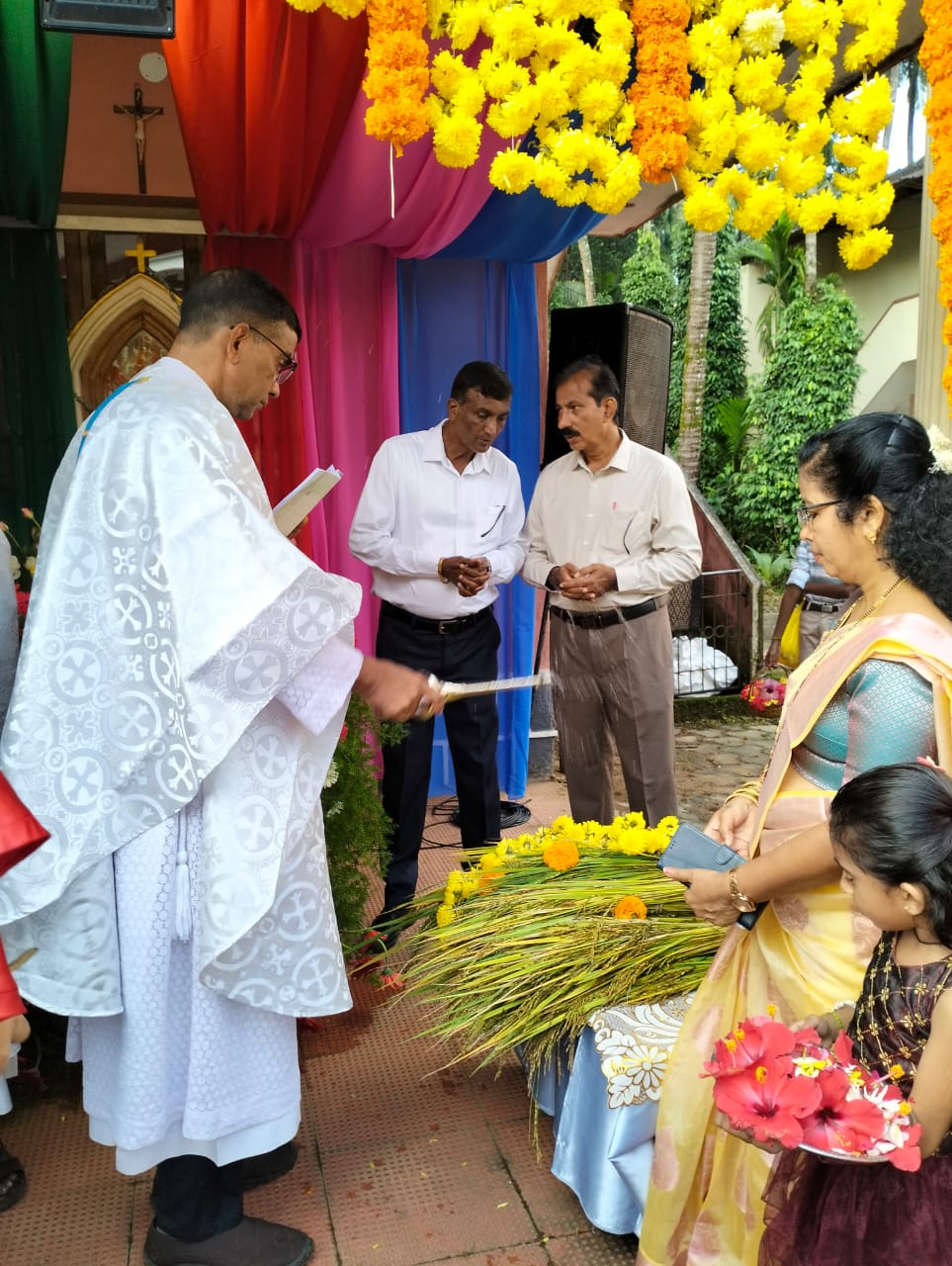
On feast day, there were processions, brass band, countless other small teams to herald the birth of mother of Saviour, prayers, singing and the blessing of the new crop at 'Gregory Mendonca House' located at the heart of town.. still continued by descendents....
And, of course, there was the unmistakable excitement of children!
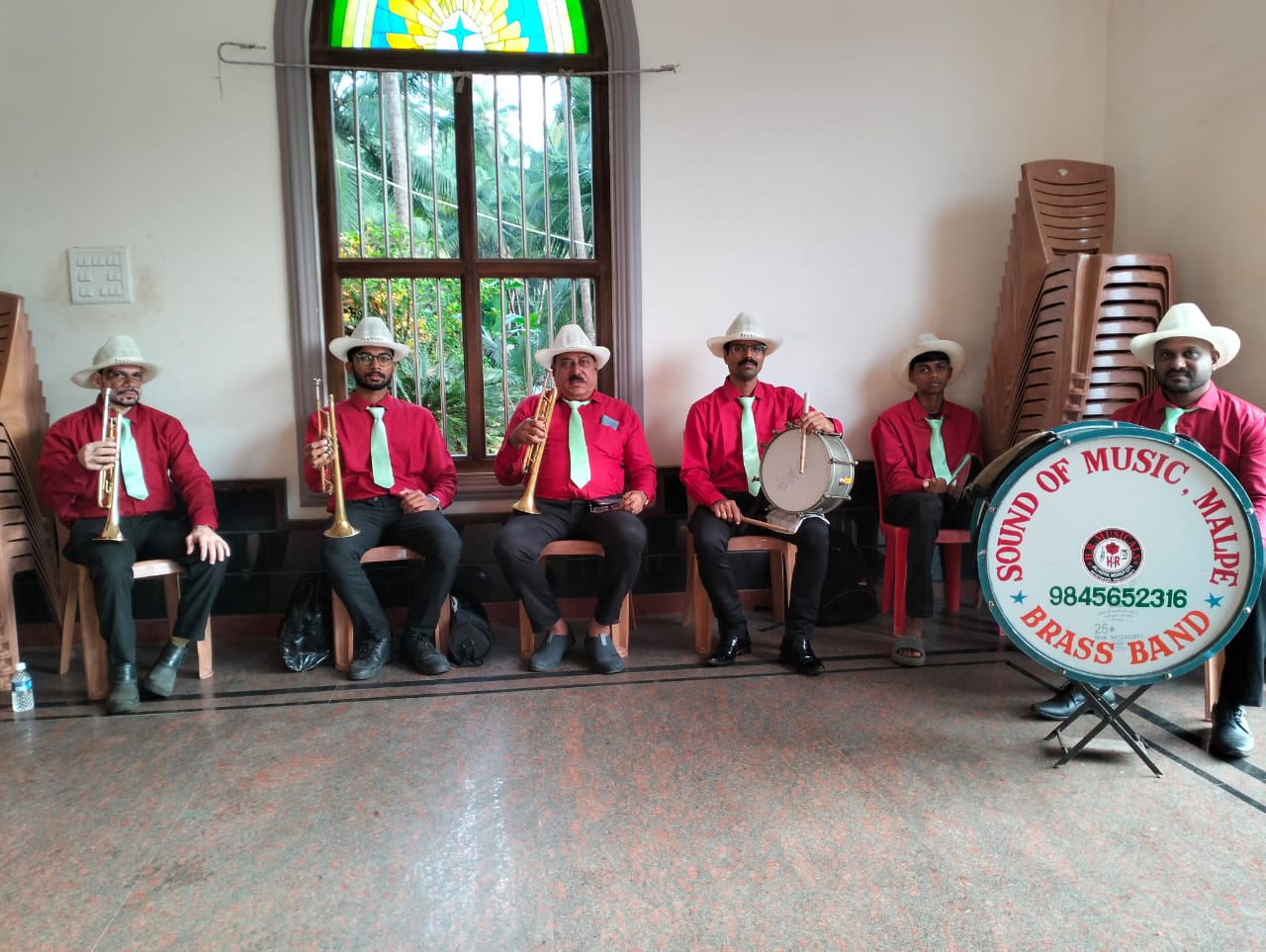
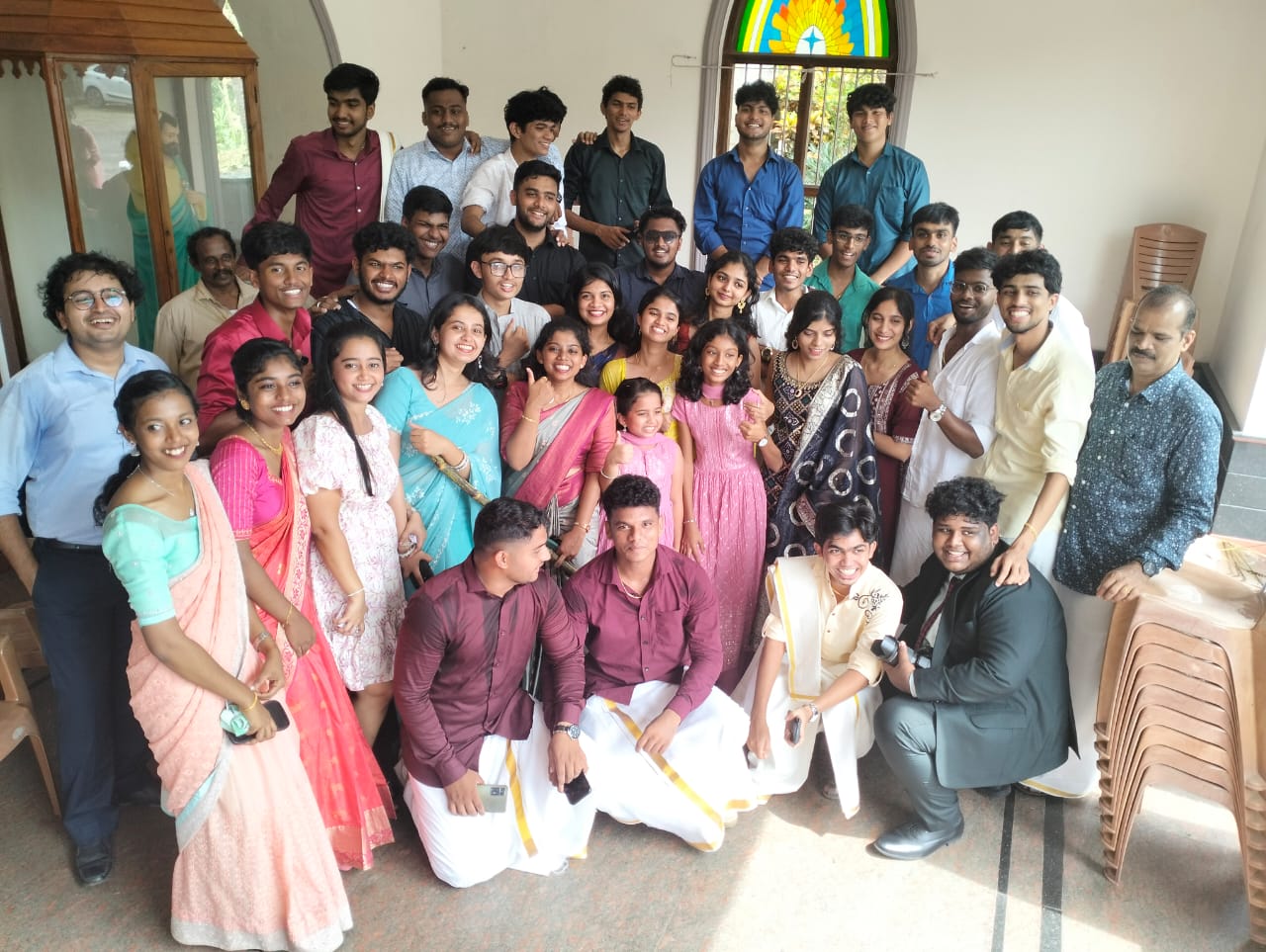
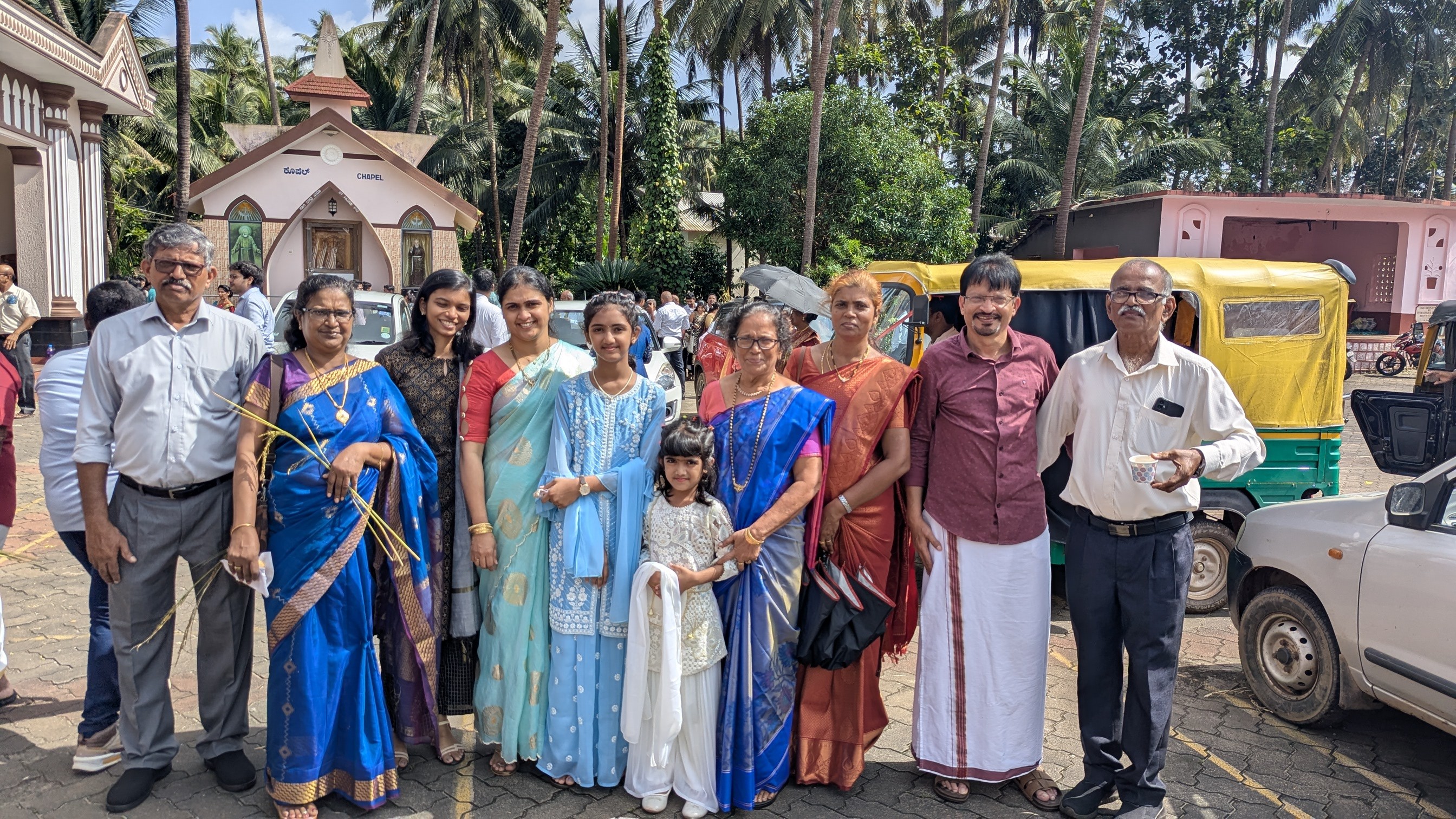
The elders prayed with devotion, while we children found a hundred little reasons to be happy.
Those were days when the Church was not merely a place we visited; it was the nerve centre of our life...!
When the Harvest Became an Offering:
One of the most beautiful traditions of Monthi Festh was—and continues to be—the bringing of the new crop, for years together from 'Neelavara Wilfred D'Souza and family, and their ancestors' before Mother Mary.
For an agricultural community, this was deeply meaningful.
The first fruits of the earth were not simply something to be consumed. They were first offered back to God in thanksgiving.
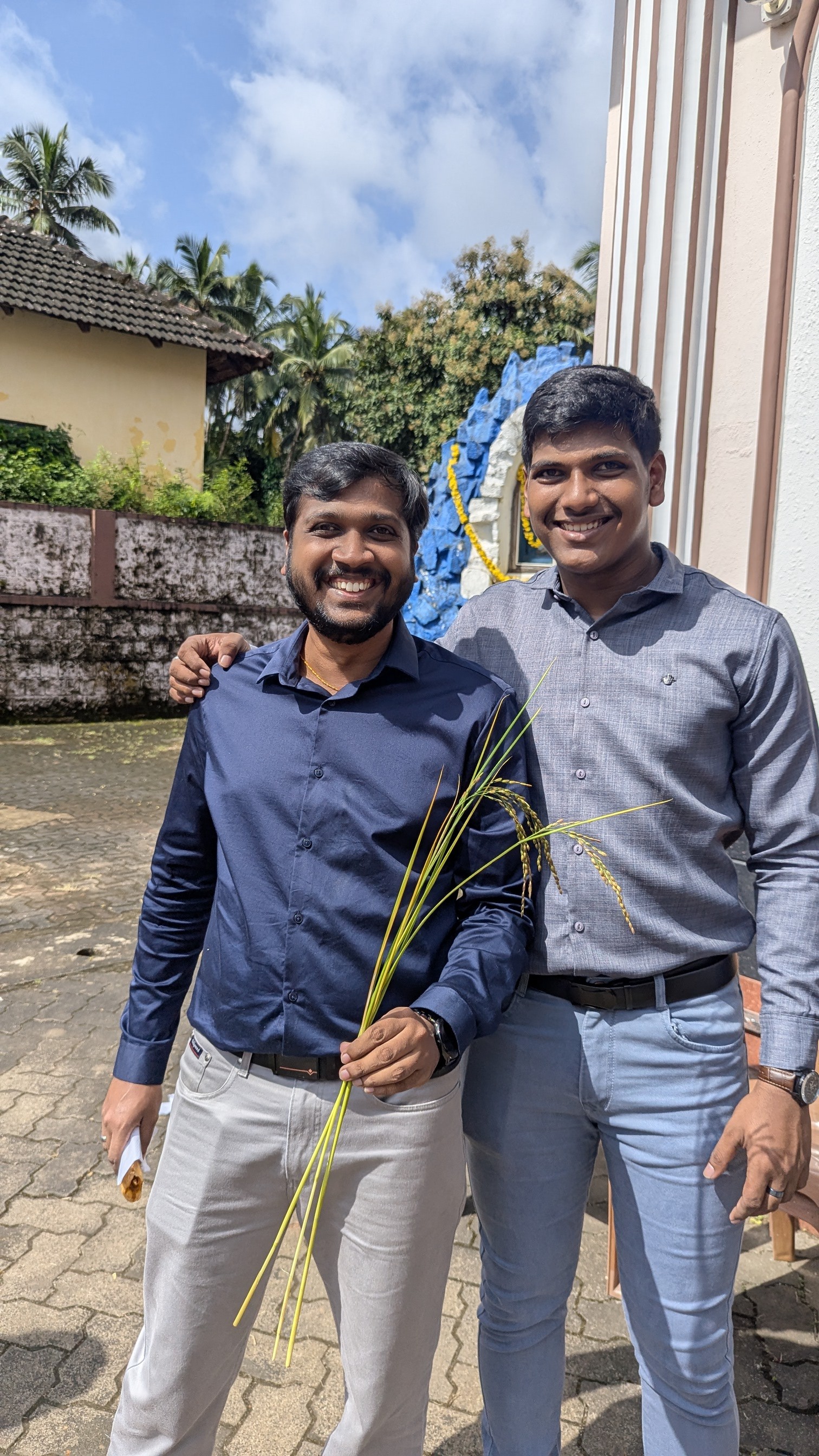
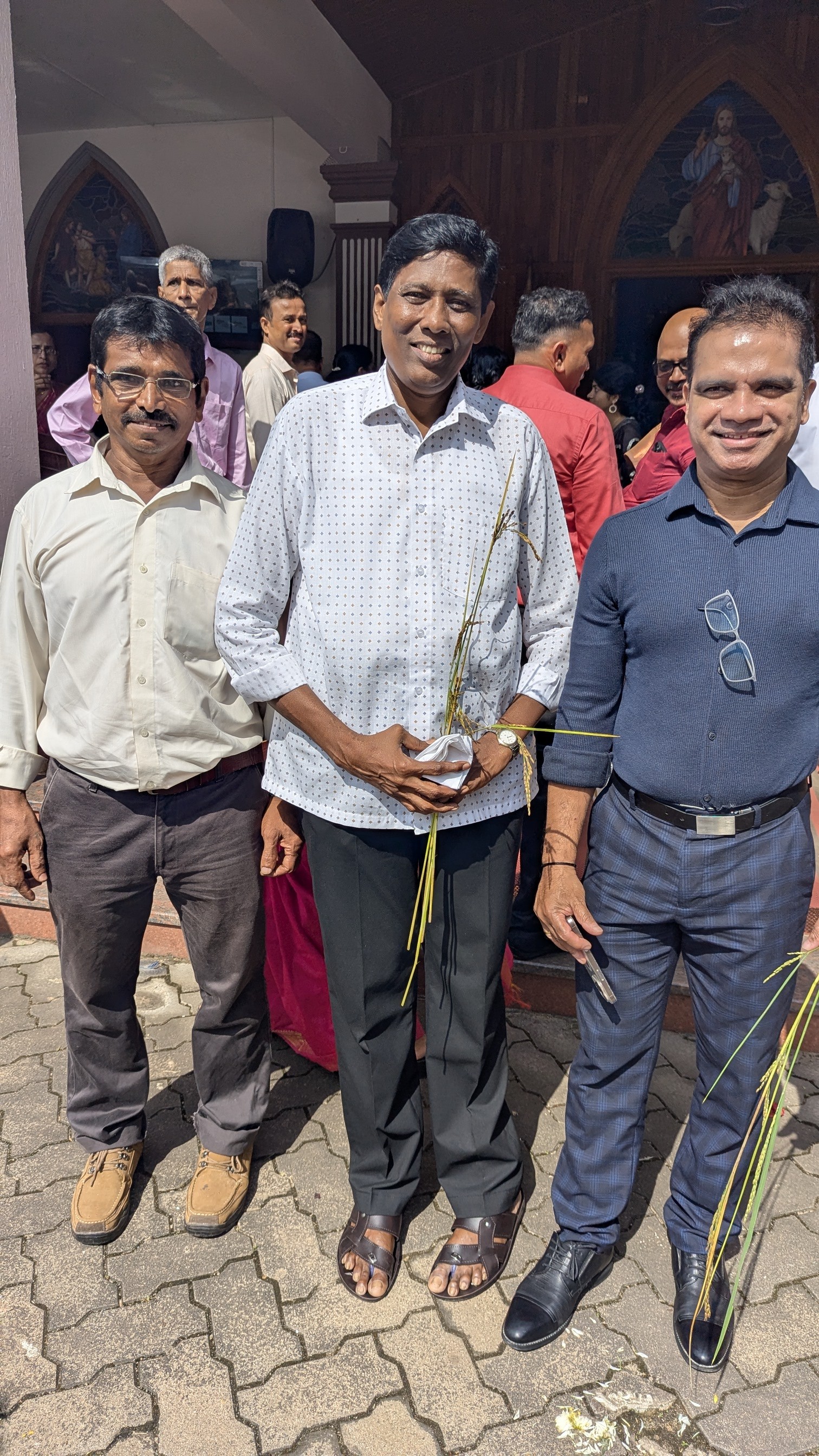
The new paddy/ rice, flowers and other produce became symbols of God's generosity.
The Monthi Festh message was simple:
'What we have received, we gratefully return to God.'
That message remains just as powerful today, even though many of us no longer work in the fields, due to many reasons...?
Our 'harvest' may now be our education, profession, business, children, achievements, health, friendships or opportunities.
The question remains the same:
Do we remember to say thank you?
Monthi Festh—A Feast of the Family:
Perhaps the greatest strength of Monthi Festh has always been the family.
In the old days, preparations began well before the feast day. Mothers, grandmothers and other women of the household would rise early and begin preparing the special dishes.
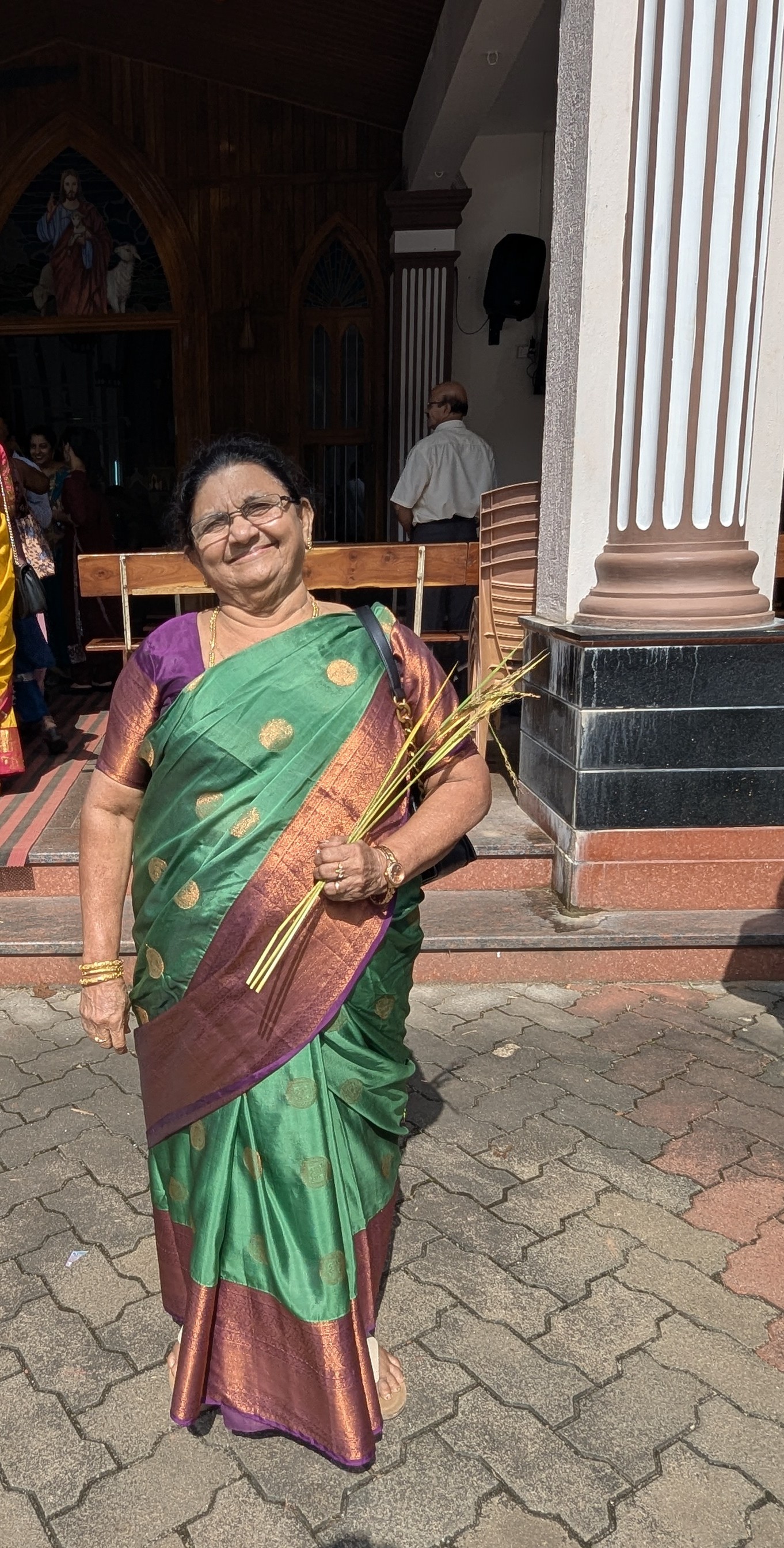
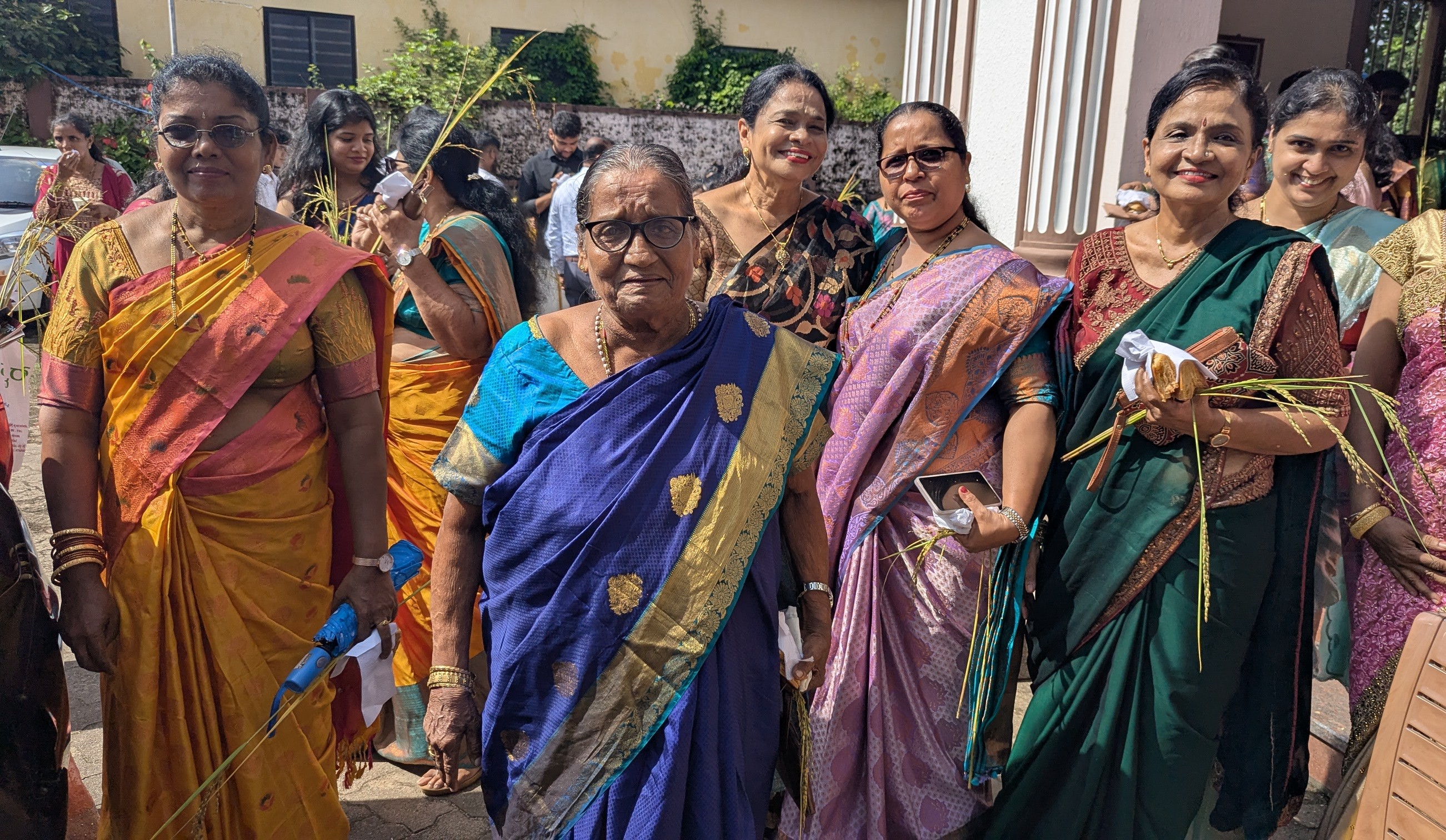
The kitchen became a place of activity, laughter and anticipation.
Normally no relatives came home, though children waited impatiently.
Neighbours exchanged greetings.
Every household had its own preparations, but the spirit was the same—everyone wanted to celebrate together.
Monthi Festh brought families back to their roots.
Even today, thousands of Konkani families scattered across India and the world try to come together around September 8th and those residing nearby in the evening for a get together..
For families separated by oceans and continents, the feast has become a beautiful reminder:
Wherever life takes us, home remains home.
A Feast of Nature's Bounty:
Monthi Festh is also a celebration of Mother Nature.
The flowers, the green fields, the fresh harvest and the humble vegetables remind us that life itself is a gift.
The traditional offering of the new crop beautifully connects our Christian faith with our deep respect for nature.
The feast invites us to pause and recognise the countless blessings we often take for granted.
The farmer's labour, rain, soil, seed, harvest and the food on our table.
All ultimately come to us as gifts.
In an age of rapid urbanisation, climate concerns and growing distance from agriculture, for want of manual labour, this message is perhaps more relevant than ever.
Monthi Festh teaches us to celebrate nature—not merely consume its gifts.
A Special Place for the Girl Child:
There is yet another beautiful dimension of this feast that deserves to be celebrated more consciously today.
Monthi Festh is a celebration of the Girl Child. The feast commemorates the birth of Mary—a little girl whose life became a blessing to humanity.
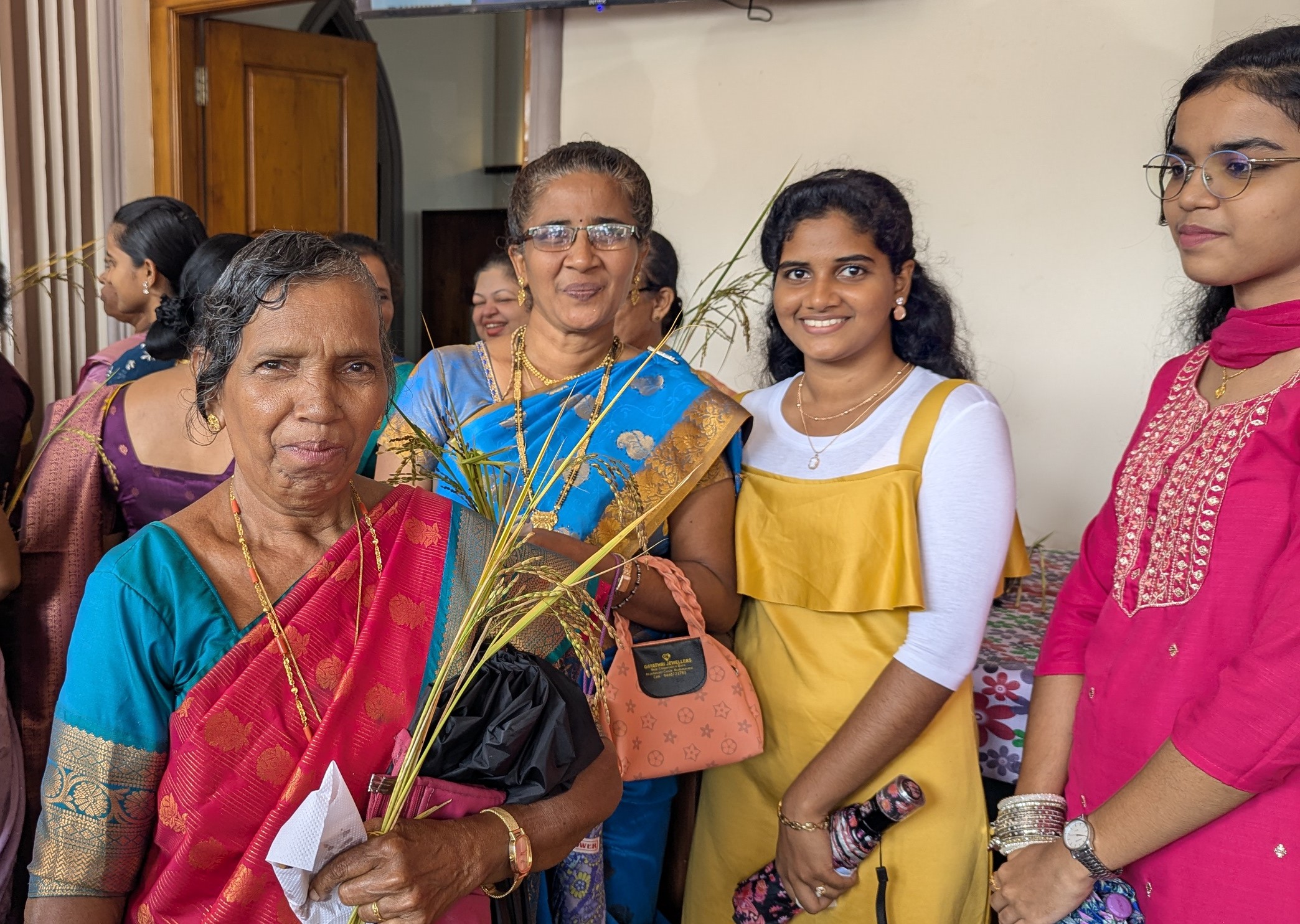
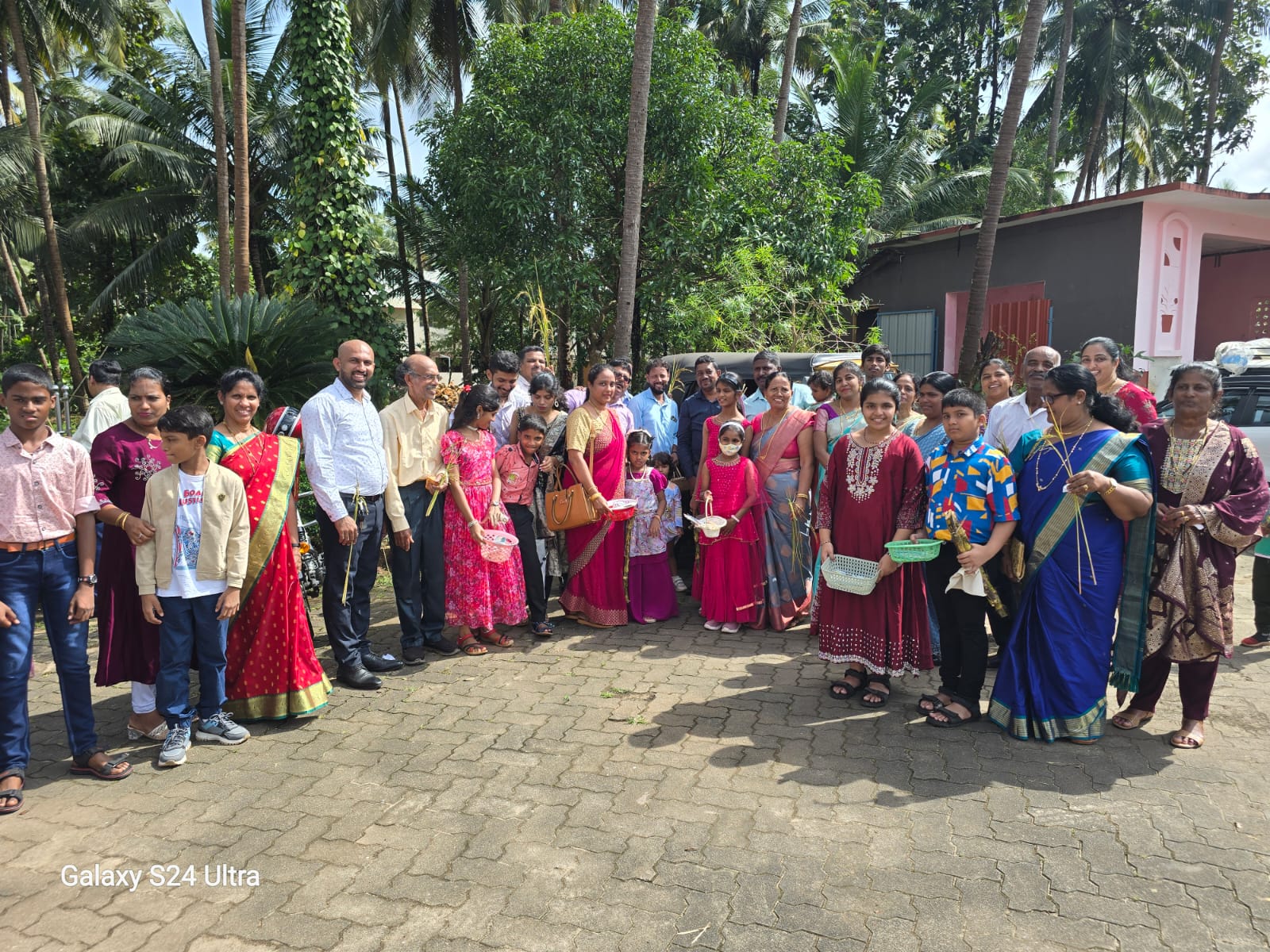
In our traditional Monthi Festh celebrations, children, especially little girls, have always had a special place. They bring flowers, participate in the Novena and join the offering of the new crop.
Seen in today's context, this carries a profound message.
Every girl child is precious, daughter is a blessing.
Every little girl deserves love, dignity, education, opportunity and the freedom to dream.
If we truly honour Mother Mary, we must also learn to honour, protect and empower every girl child.
Thus, Monthi Festh is not only about remembering Mary's birth.
It is also an invitation to celebrate the birth and potential of every child.
From Barkur to the Global Barkurians World:
When I wrote about Monthi Festh in 2002, many of our people were already living away from Barkur. Yet the festival had begun travelling with them.
Today, that journey has become extraordinary.
From Mumbai, Bengaluru, Chennai and Delhi to Dubai, Muscat, Doha, Kuwait, Europe, America, Australia and beyond, Konkani families continue to celebrate Monthi Festh with remarkable enthusiasm.
Churches and Konkani associations across the world organise Novenas, Masses, cultural programmes, family gatherings and new-crop blessings.
The geography has changed.
The lifestyles, technology has everything, but the heart of Monthi Festh has remained unchanged.
A mother still prepares the feast.
A child still waits for the sugarcane and flowers.
Families still gather.The new crop is still offered.Mary is still honoured.
And somewhere, in the midst of all the celebration, someone still whispers:
“Thank you, Mother Mary.”
From One Generation to Another:
Looking back at the Monthi Festh of our childhood, we sometimes wonder whether those days can ever return.
Perhaps they cannot.The Barkur of our childhood has changed.
The houses have changed, many vacant, the fields have changed, left barran, the people have travelled far, immigrated ..
Many of those who made our celebrations special are no longer with us.
Yet their memories remain, voices of our elders, songs of our childhood, flowers carried by little hands.
The smell of freshly cooked festive food.
The procession.
Novena, new crop, family gathered around one table.
These are not merely memories.They are our heritage,
it survives only when one generation lovingly hands it over to the next.
Festival That Has Outlived Time and heritage:
Perhaps this is why Monthi Festh has survived so beautifully.
It is not confined to a place, not restricted to a generation, not merely a religious observance.
It is a feeling, that connects the child in Barkur with the Konkani family in Mumbai.
The grandmother in Mangaluru with her grandchildren in New York or Los Angeles...
The family in Dubai with their ancestral home in Barkur in coastal Karnataka.
The farmer with the professional.
The past with the present.
And the present with the future.
When the little hands of children carry flowers to Mother Mary, they carry with them the memories of our ancestors and the hopes of tomorrow.
That is the enduring beauty of Monthi Festh.
A feast of Mary's birth, the family, nature's bounty, a celebration of every child, especially the girl child.
And above all, a feast of gratitude.
As we celebrate Monthi Festh 2026, in and around Barkur let us preserve the traditions that shaped us, cherish the memories that made us, and pass on to our children the values that truly matter.
And perhaps, after all the singing, prayers, flowers, festivities and family gatherings, the most beautiful prayer we can offer is also the simplest:
'Thank you, God, for the gift of life, family, nature and love.'
Happy Monthi Festh! 🌾
P.Archibald Furtado
(Rewritten and updated from the author's original Monthi Festh article published in 2002)