
Unsung hero of Barkur,
Rev. Fr. Charles P. Nazareth (1908–1988)
A Visionary Pastor, Pioneer Builder and Faithful Shepherd of the Diocese
-Prof.P. Archibald Furtado
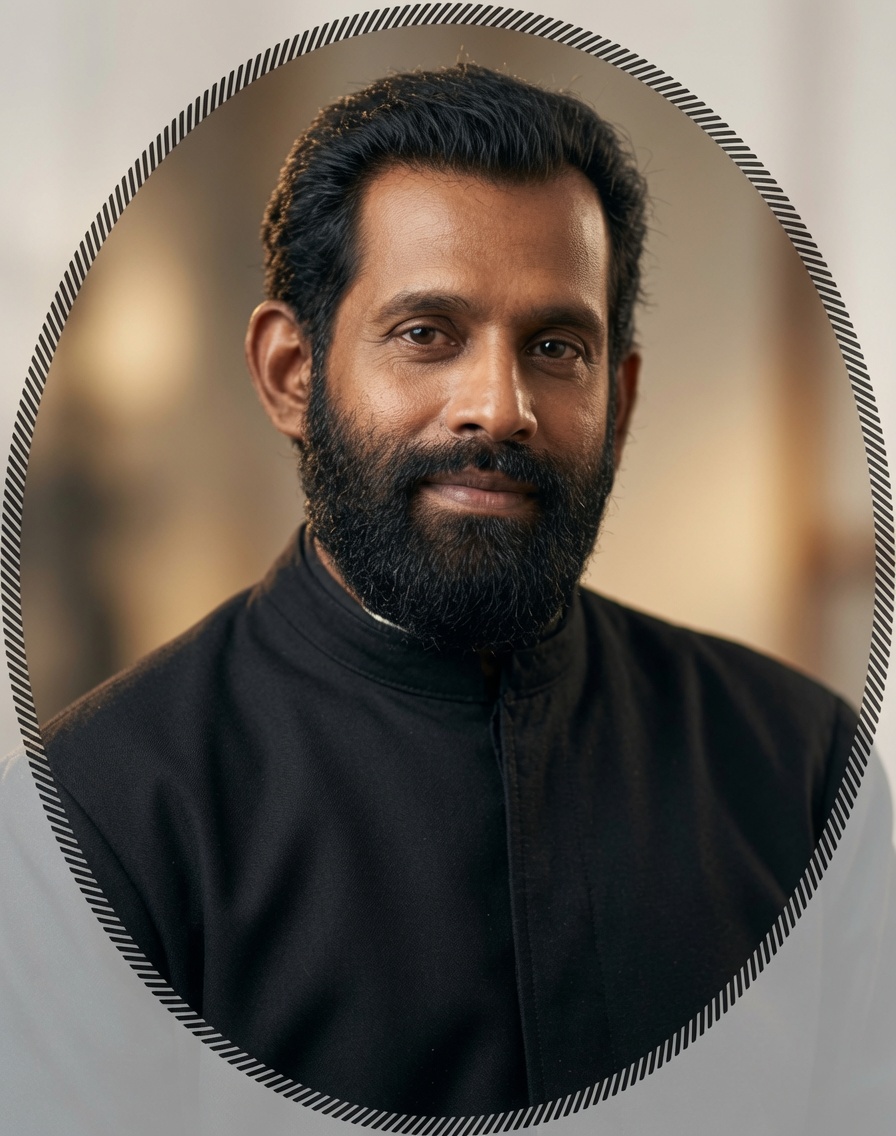
Among the outstanding priests who adorned the Diocese during the twentieth century, Rev. Fr. Charles P. Nazareth (1908–1988) occupies a place of distinction. Born into the illustrious Mathias Prabhu family of Belman, he combined deep spirituality, exemplary priestly discipline, pastoral compassion and remarkable administrative ability. Wherever he served, he left behind not merely buildings and institutions, but vibrant communities rooted in faith, unity and service.
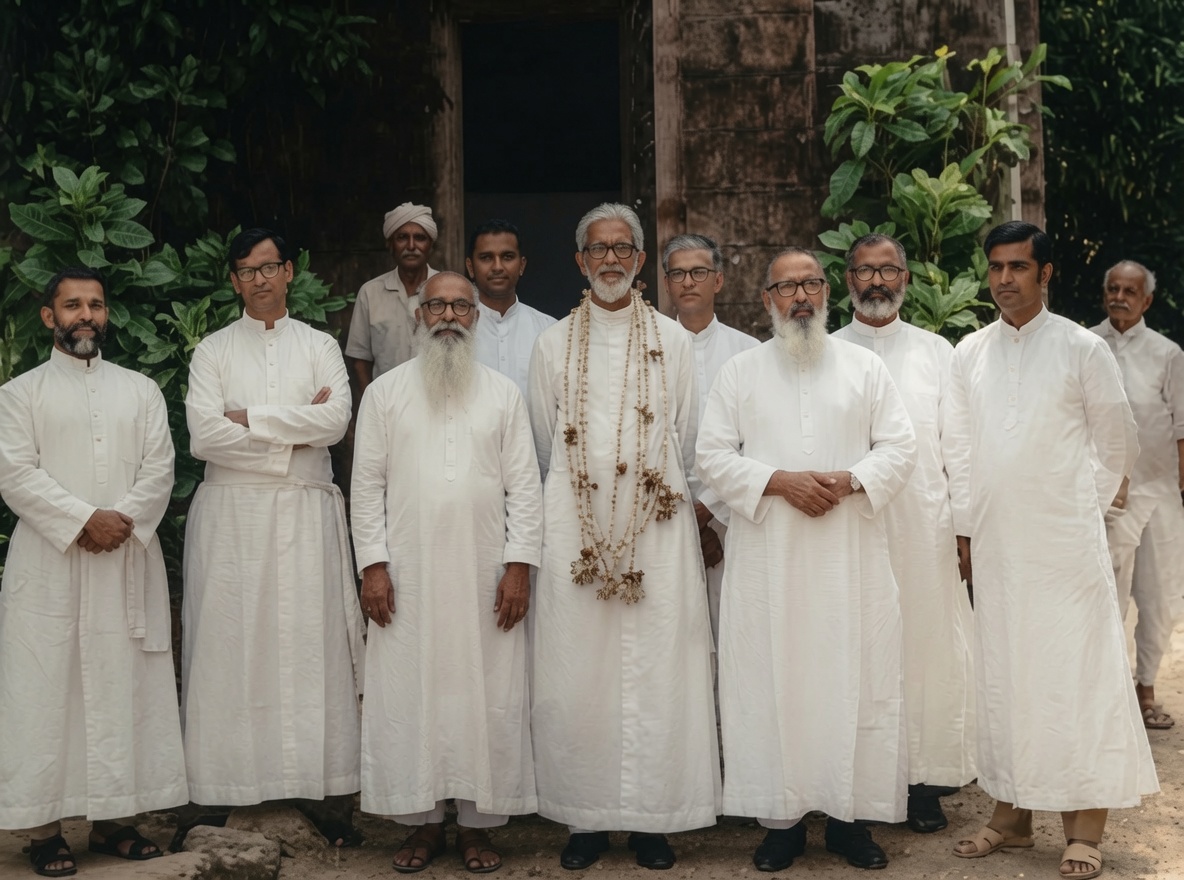
Pioneer of Our Lady of Loretto (1939)
The history of Our Lady of Loretto Church is inseparably linked with Rev. Fr. Charles Nazareth. Even before the parish was formally erected on 1 November 1939, he travelled regularly from Agrar as a visiting priest to celebrate Sunday Holy Mass and minister to the scattered Catholic families living in the area.
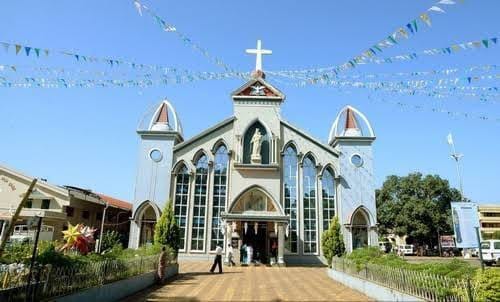
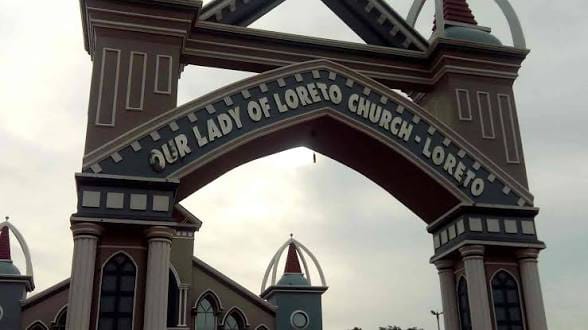
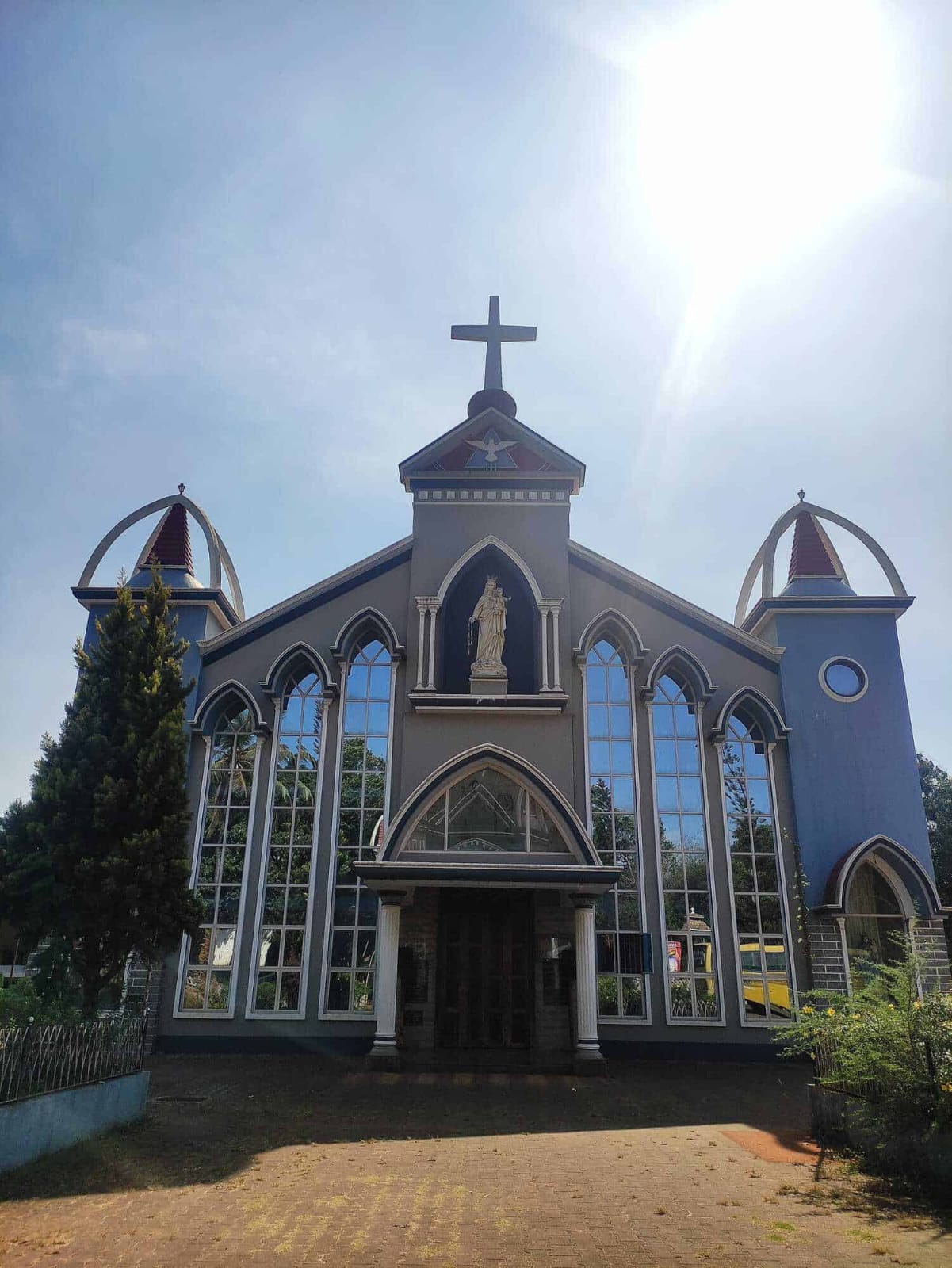
With the establishment of the new parish, he became its first Resident Priest, dedicating himself to organising the fledgling Catholic community. Under his guidance, the first parish structures took shape, pastoral programmes were organised, and the faithful were united into a vibrant Christian family. His pioneering efforts laid the strong spiritual and organisational foundations upon which the parish continues to flourish today.
The Golden Years at St. Peter's Church, Barkur (1950–1957)
Rev. Fr. Charles assumed charge as Parish Priest of St. Peter's Church, Barkur, on 1 January 1950. His seven-year ministry is regarded as one of the most memorable periods in the long history of this ancient parish.
The defining event of his tenure was the Historic Centenary Celebration of St. Peter's Church (1854–1954) held on 29 April 1954. Under his visionary leadership, the celebration became one of the grandest religious events ever witnessed in Barkur.
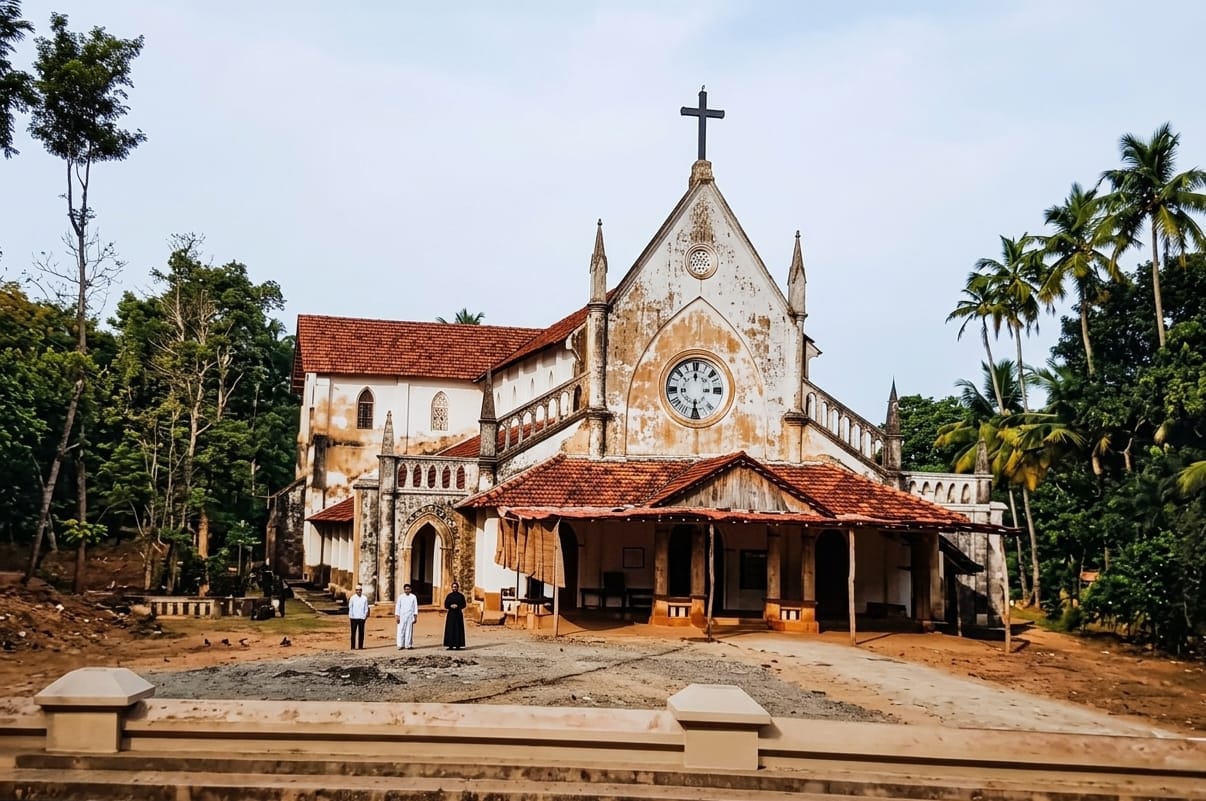
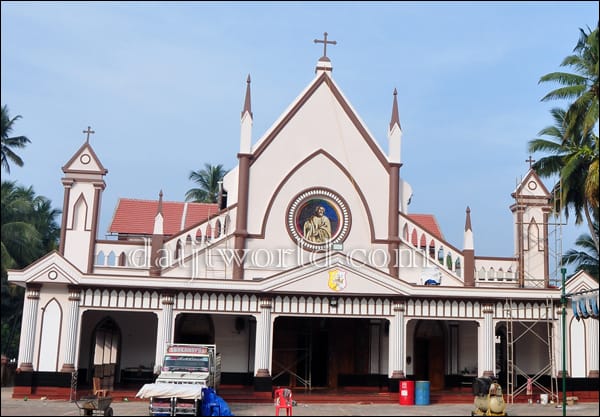
On the previous evening, 28 April 1954, Rt. Rev. Bishop Basil S. Peris was accorded a magnificent welcome. Nearly 100 beautifully decorated boats formed a spectacular flotilla from Mabukala Ferry to Sharabidhi, creating a colourful river procession remembered even today as one of the finest public celebrations in twentieth-century Barkur. From Sharabidhi, the Bishop was escorted in a grand procession to St. Peter's Church amidst the joyful participation of the entire town.
The solemn Pontifical Mass and Centenary celebrations on 29 April 1954 attracted thousands of faithful, including former parishioners who returned to their historic mother parish, making the event a memorable reunion of faith, history and community.
Determined that the Centenary should leave a permanent legacy, Fr. Charles undertook extensive improvements to the parish:
The main arch in line with Gothic Church and gate too was ready by this time, construction was led by Jeppu Workshop Mangalore.
Renovated and beautified the High Altar, giving greater dignity and splendour to the sanctuary in the hands of Simon Rasquinha of Mangalore ready on 24th April 1954.
Undertook the complete painting of the church, first time since it's inauguration 28th May, 1923, presenting the historic building in renewed glory.
Introduced electrification throughout the church on 10th January 1957.
Installed elegant mosaic flooring in the main body of the church through the generosity of the St. Peter's Association, Bombay—one of the earliest parish churches in the region to receive such flooring completed in April 1954.
Expanded Maryknoll Higher Primary School, to accommodate more classes and divisions, (Class V) strengthening Catholic education in Barkur in 1952. (The third block was added in 1967 by Fr Aloysius Rozario to accommodate Class VI and VII) During this time in 1953, Jacky Victor Dias took the responsibility as dynamic Head Master of Maryknoll.
Revitalised parish organisations, especially Ligion of Mary, as youth movements - with stalwarts like Leo DAlmeida, James DLima, Albert Sequeira and my Pappa Richard Furtado too served as Animator during this time and started other devotional associations such as Girl's Sodality, The Christian Mother's Sodality etc Altar Servers were maximum in number. Rev Fr Marcel Pinto, was first assistant parish priest to serve in Barkur arrived on 2nd April 1957, only Church to have two priests except Milagres in the Kallianpur Deanery.
One of his greatest visionary contributions was the proposal to build a new Bellfry as a permanent memorial of the Centenary Year. Though the project was completed later under Rev. Fr. Aloysius Rozario in 1962, the idea originated with Fr. Charles. Today, the Bellfry stands proudly as one of Barkur's most recognisable landmarks and a lasting tribute to his foresight.
Holy Rosary Church, Kundapura (1957–1965)
On 24 April 1957, Rev. Fr. Charles was appointed Parish Priest of Holy Rosary Church, Kundapura, where he served for eight fruitful years.
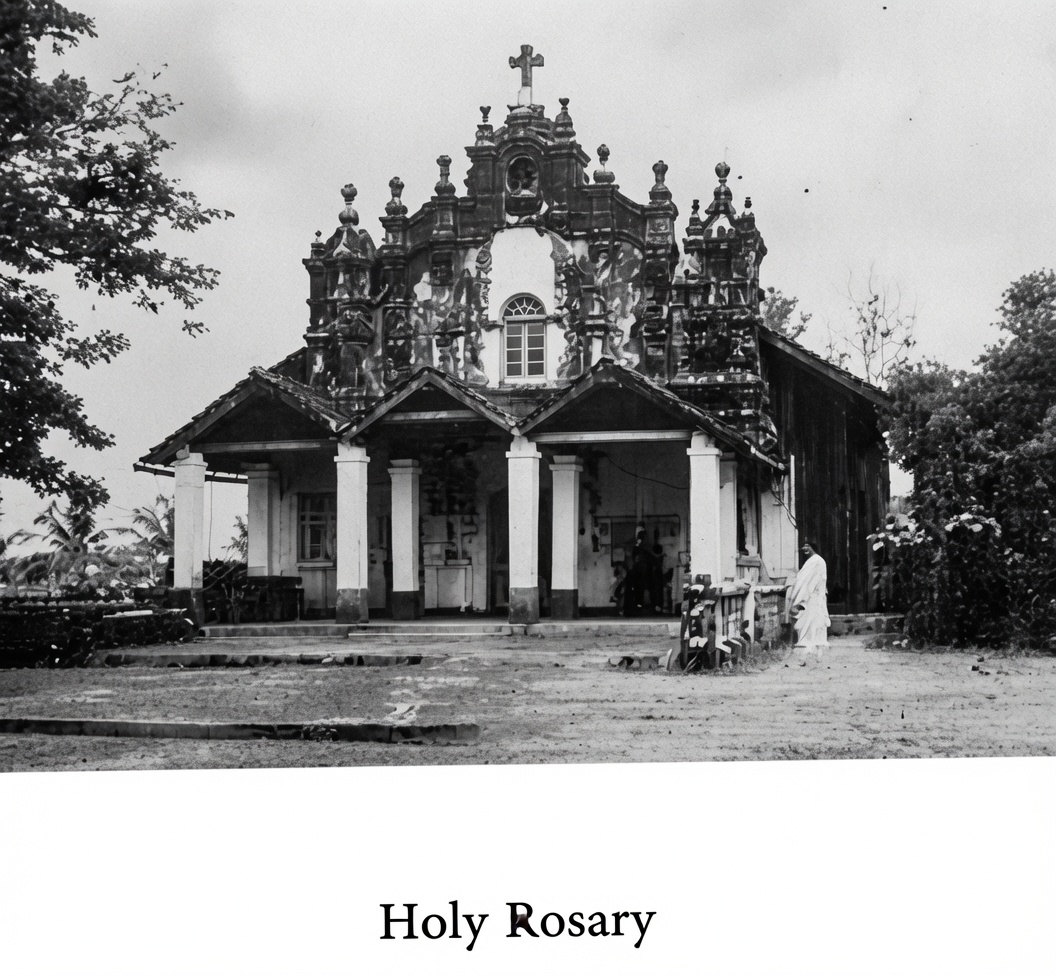
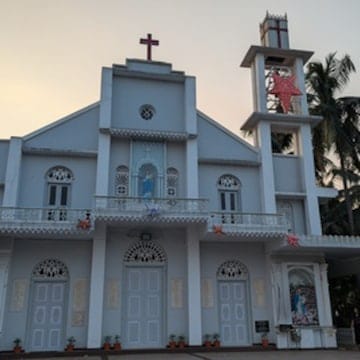
These years witnessed steady spiritual and organisational growth. He strengthened parish administration, encouraged systematic catechism, promoted parish associations, enhanced Marian devotion and fostered greater participation of the laity in the mission of the Church.
Recognising the importance of education, as Vicar Vara of one of oldest Church (450 years) he actively supported Catholic schools and encouraged young people to pursue higher education and religious vocations. His gentle personality, balanced leadership and readiness to visit families made him one of the most loved pastors of Kundapura. His ministry was marked by peace, stability and pastoral care, leaving behind a united and spiritually vibrant parish.
Sacred Heart Church, Suratkal (1965–1972)
Rev. Fr. Charles's final major pastoral assignment was at Sacred Heart Church, Suratkal, beginning on 7 May 1965.
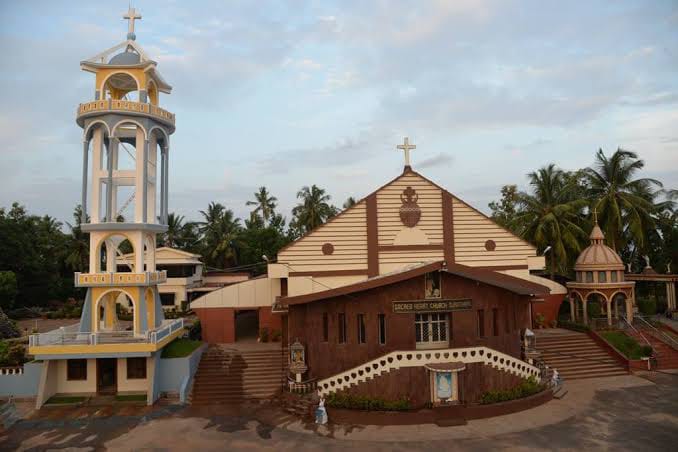
This was a challenging period, as rapid industrialisation and the construction of the New Mangalore Harbour transformed the region. Many Catholic families were displaced from their ancestral homes, and Fr. Charles became a compassionate shepherd during these difficult years. He worked tirelessly to provide spiritual encouragement and practical support to the affected families, especially those resettled at Katipalla.
His tenure witnessed several important developments:
Strengthening of parish administration through active participation of the laity.
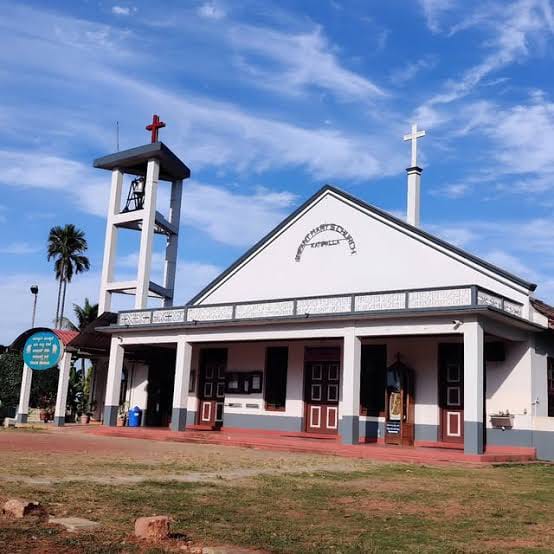
Formation of the Katipalla Chaplaincy, enabling better pastoral care for newly settled Catholic families.
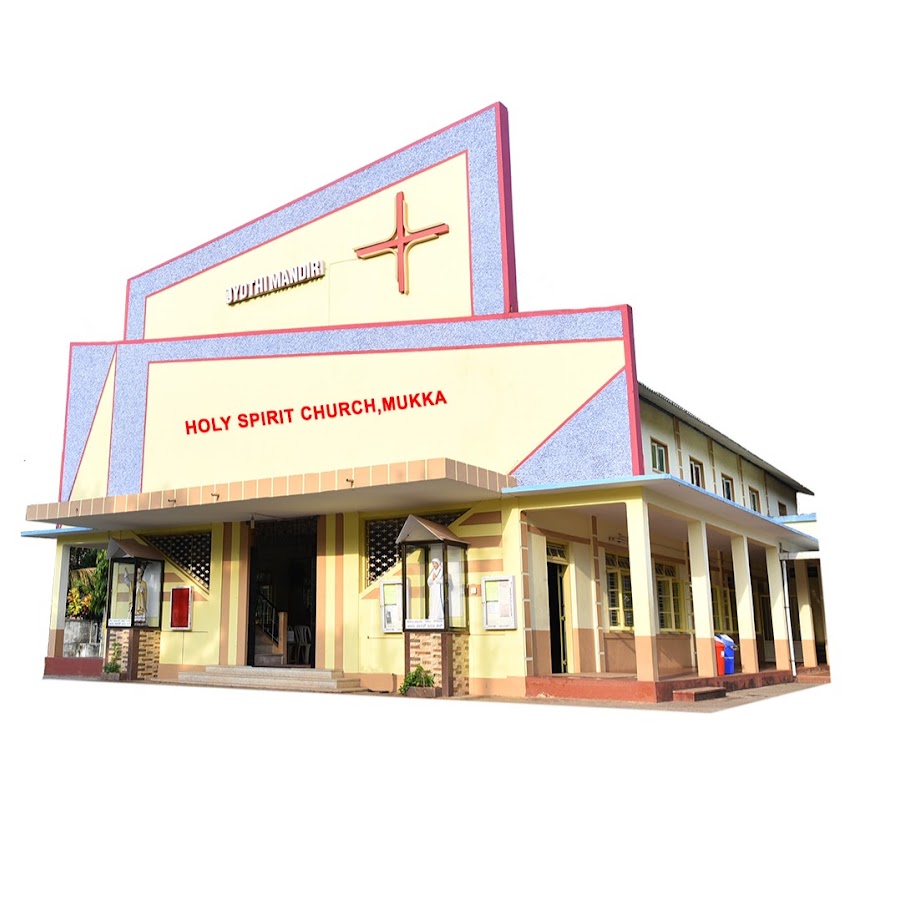
Formation of the Mukka Chaplaincy, responding to the rapid expansion of the Catholic population in the northern part of the parish.
Encouragement of Parish Council structures and parish committees to involve the faithful more closely in the life and mission of the Church.
Promotion of youth activities, family apostolate and Catholic Action movements, ensuring that the rapidly growing parish retained its spiritual identity amid social change.
His calm leadership, administrative wisdom and fatherly concern enabled Sacred Heart Parish to face a period of immense transition with confidence and hope.
A Lasting Legacy
Throughout his priestly life, Rev. Fr. Charles P. Nazareth remained a humble servant of Christ.
Whether pioneering a new parish at Loretto, preserving the glorious heritage of Barkur, strengthening the vibrant community at Kundapura or guiding the expanding parish of Suratkal through times of change, he consistently demonstrated vision, courage and unwavering pastoral dedication.
He believed that a parish should be built not only with stone and mortar but also with faith, education, unity and service. Many of the institutions, structures and traditions that he nurtured continue to enrich the Church even today.
Rev. Fr. Charles P. Nazareth will always be remembered as one of the Diocese's finest pastors—a visionary builder, an inspiring leader and a devoted priest whose life reflected the words of Christ:
"Well done, good and faithful servant." (Matthew 25:23).
-Prof.P. Archibald Furtado