
Minister H.K. Patil's landmark visit sparks new hope for one of Coastal Karnataka's most storied — and most neglected — ancient towns.
Compiled by P. Archibald Furtado | Team Barkur Online
In the annals of Coastal Karnataka's glorious past, few names resonate as deeply as Barkur. Once the proud capital of the Alupa dynasty, a nerve-centre of religion, commerce and administration for centuries, this ancient town sits quietly today at the confluence of the Seeta river and its tributaries — a silent, patient witness to history, awaiting the recognition it has long deserved.
That wait may finally be drawing to a close. On 5th May 2026, Tourism Minister Shri H.K. Patil paid an official visit to Udupi district, culminating in a landmark press conference at the district headquarters and a series of high-level meetings with officials. The visit has sent a clear signal — both to the people of Barkur and to the corridors of power in Bengaluru — that the state government is prepared to act.
A Minister's Pledge
Speaking at the District Collector's office after a detailed review meeting with senior officials, Minister Patil made a striking announcement: the government is actively planning to host a minimum of 100 Rathotsavas — the magnificent chariot festivals that are the heartbeat of Barkur's temple culture — every single year. "By illuminating the numerous temples here," he said, "we aim to recreate and celebrate the town's glorious past." He made clear that Barkur is envisioned as the central axis of tourism development for the entire Udupi district.
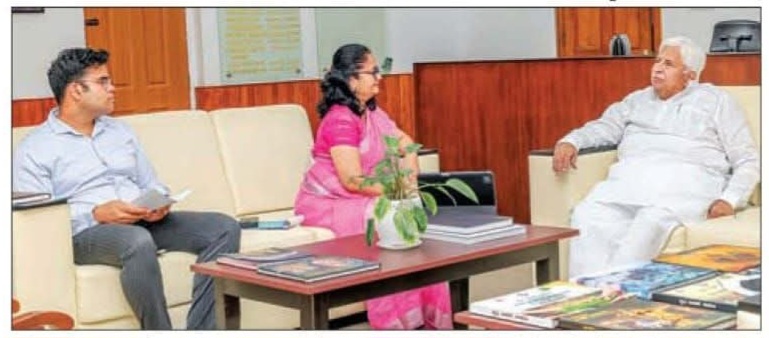
The minister's visit was no mere formality. A comprehensive agenda was placed before officials covering everything from infrastructure to manuscript preservation, from coastal regulation to island tourism. The message was unambiguous: Barkur's development is now a government priority.
Key announcements from the meeting included a target of 100 Rathotsavas annually, the digitisation of over 6,000 manuscripts onto a public portal, the state raising CRZ reform concerns with the Central Government, Barkur's inclusion in the 'One State, One Destination' scheme, development of the Kudru islands and backwaters for eco-tourism, and the formation of a dedicated research committee on coastal tourism policy.
A Heritage Unlike Any Other
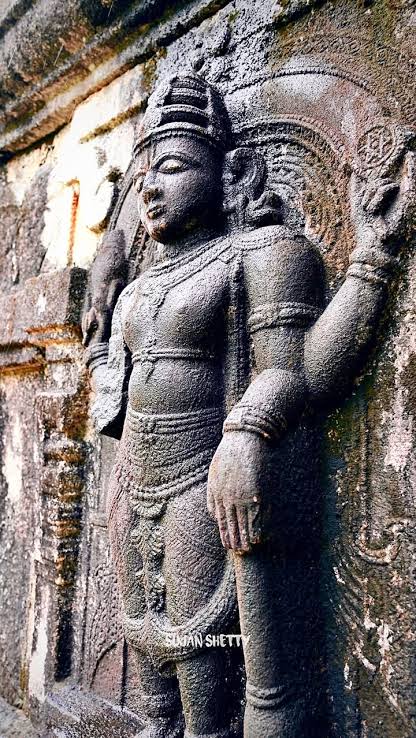
To understand why Barkur commands this attention, one must first understand what it holds within its ancient boundaries. Spread across a landscape shaped by river, forest and sea, the town shelters a remarkable constellation of ancient temples — the moolastana shrines, which form the spiritual backbone of the region — alongside historical churches, Jain basadis, a mosque and the ruins of forts that once watched over a prosperous medieval port.
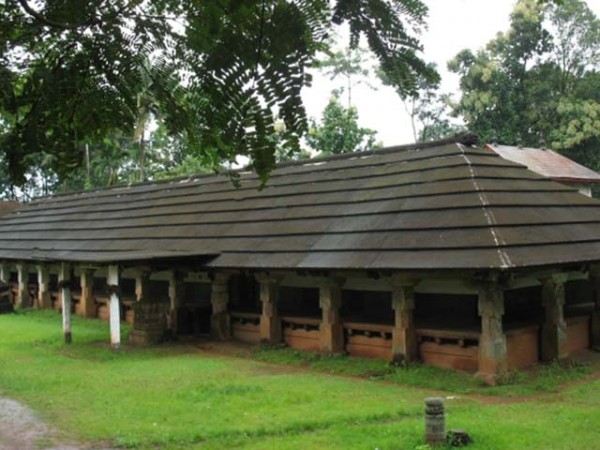
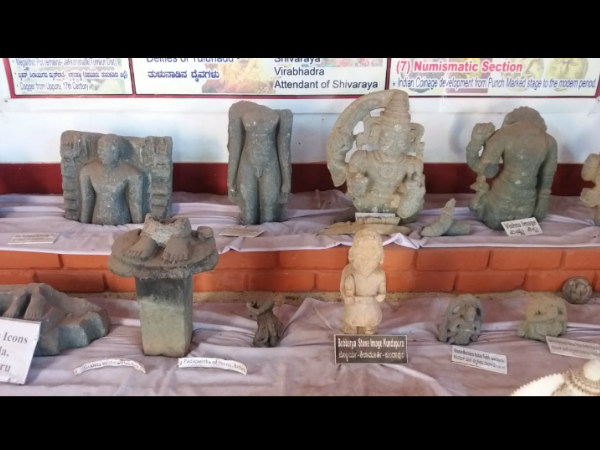
The scenic backwaters, lush riverbanks and the nearby Kudru islands lend Barkur a natural beauty that few heritage towns in India can match. The proposed Vented Dam project, connecting Kumragodu, Bennekudru and Moodahadu, promises to add further infrastructural elegance to this already picturesque setting. Few places in Karnataka carry within their compass such a rich layering of Hindu, Jain, Christian and Islamic heritage in peaceful coexistence — a living testament to centuries of cultural harmony.
The Weight of Neglect
And yet, for all its magnificence, Barkur has endured decades of quiet neglect. The contrast between what this town represents and what it currently offers its visitors is a source of deep frustration for residents, heritage lovers and social organisations alike.
Residents have for years raised persistent grievances: severely damaged roads and waterlogged drainage during monsoons, inadequate street lighting along heritage corridors, no dedicated tourist information or guidance systems, heavy vehicles passing through narrow ancient town roads, the absence of organised parking, sanitation and rest facilities, no systematic signboarding or conservation of monuments, and a general lack of beautification and cleanliness along heritage zones.
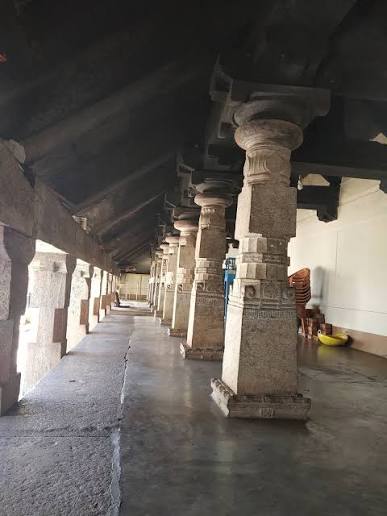
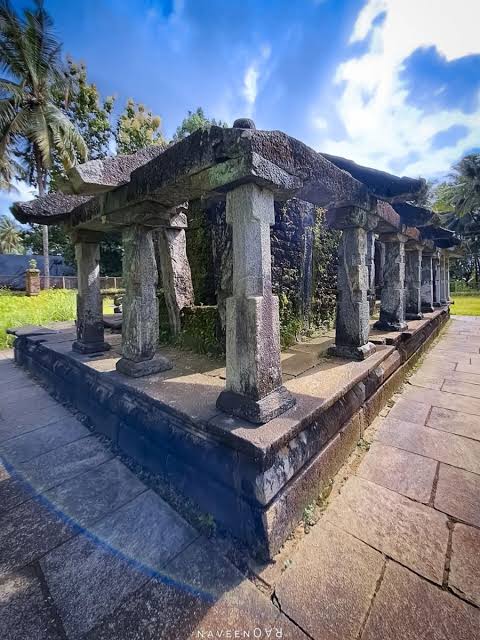
People fear that without timely and decisive intervention, the heritage value and tourism prospects of Barkur may continue to erode — not through any dramatic collapse, but through the slow attrition of indifference. Local citizens and organisations have repeatedly petitioned authorities, and their voices are now, at last, finding an echo in the state capital.
Unlocking the Manuscripts
One of the most consequential decisions to emerge from Minister Patil's visit concerns Barkur's extraordinary collection of ancient manuscripts — palm leaf documents, centuries-old texts and handwritten records spanning science, literature, medicine, religion and philosophy. These irreplaceable treasures have, for too long, remained vulnerable.
The minister directed that over 6,000 manuscripts in the district be digitised and uploaded to an online portal at the earliest opportunity. Officials were further instructed that the remaining manuscripts be converted to digital form swiftly and that their protection must become a collective, accountable responsibility. The vision is clear: to make Barkur's intellectual heritage accessible to researchers and the public worldwide, while ensuring its physical survival for generations to come.
CRZ: The Coastal Constraint
A significant hurdle discussed at the meeting was the impact of Coastal Regulation Zone norms on development along the shoreline. Minister Patil acknowledged that the existing CRZ framework has been an obstacle for tourism-related projects and pointed to the examples of Goa and Kerala — where more pragmatic coastal norms have allowed thriving sea-facing tourism to flourish — as models worth emulating. He directed officials to prepare a detailed report for submission to the Central Government, and announced the formation of a dedicated research committee to build the case for policy reform.
Islands, Backwaters and the 'One Destination' Vision
The government's ambition extends beyond the town centre. The Kudru islands and the rich backwater ecosystems surrounding Barkur are earmarked as new frontiers for eco and heritage tourism. These areas, long admired for their natural splendour but underdeveloped from a visitor-experience standpoint, could become signature attractions within a broader Barkur tourism circuit.
District Collector T.K. Mahiti confirmed that efforts are underway to incorporate Barkur into the state's flagship 'One State, One Destination' scheme — a move that would bring dedicated promotional support, infrastructure funding and national visibility to the town. The addition of a Vented Dam connecting multiple islands and settlements could transform the approach to Barkur into a scenic gateway experience worthy of the town's ancient grandeur.
A Call for Sustainable, Community-Led Growth
Team Barkur Online, which has long championed the cause of this historic town, has extended its full support and cooperation to all governmental efforts. Its members and local citizens emphasise, however, that development must be guided by sustainability. The rivers, wetlands and island ecosystems that give Barkur its soul must be protected even as infrastructure grows. Heritage conservation and responsible tourism, they argue, are not opposing forces — they are natural partners.
If approached thoughtfully, such development could generate meaningful employment for local youth, strengthen the economic fabric of the region and allow the communities who have been custodians of this heritage for generations to benefit directly from its recognition. Tourism revenue, when channelled back into the community, can fund the very conservation it depends upon.
A Town Whose Time Has Come
Barkur is not merely a footnote in a history textbook. It is a place where ancient stones still carry the memory of a dynasty, where festival drums still echo down the same lanes they have for centuries, where the river still flows past temple ghats just as it did when merchants from distant lands once anchored here. It is, in the truest sense, a living heritage.
Minister Patil's visit, and the announcements that accompanied it, represent the most concrete governmental commitment to Barkur's revival in recent memory. Whether that commitment translates into roads repaired, monuments conserved, manuscripts digitised and tourists welcomed will depend on the sincerity and speed of execution. The people of Barkur have waited long enough. The plan is on the table. The moment belongs to those who will act upon it.
Compiled by P. Archibald Furtado, Team Barkur Online · May 2026