
News n Videos : Anand Kumar Barkur, Pics : Vishwas, Barkur
Barkur, March 7, 2026: The much-anticipated Chatushpavitra Nagamandalotsava at Barkur concluded in a spiritually charged and grand manner in the early hours of Friday, March 7th, bringing to a close three days of intense religious observance, devotion, and celebration that commenced on March 5th.
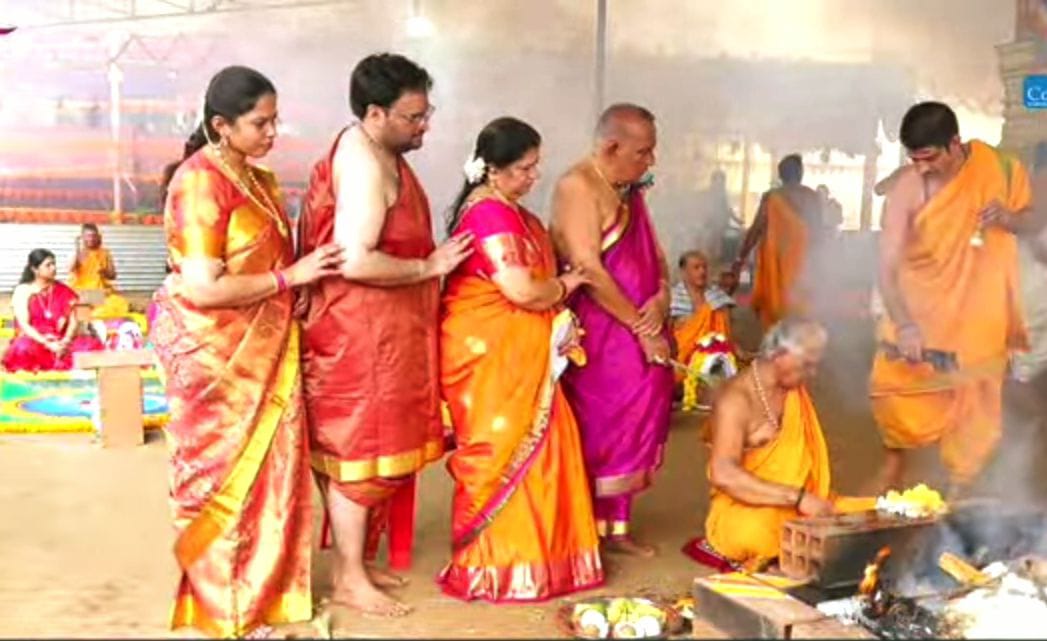
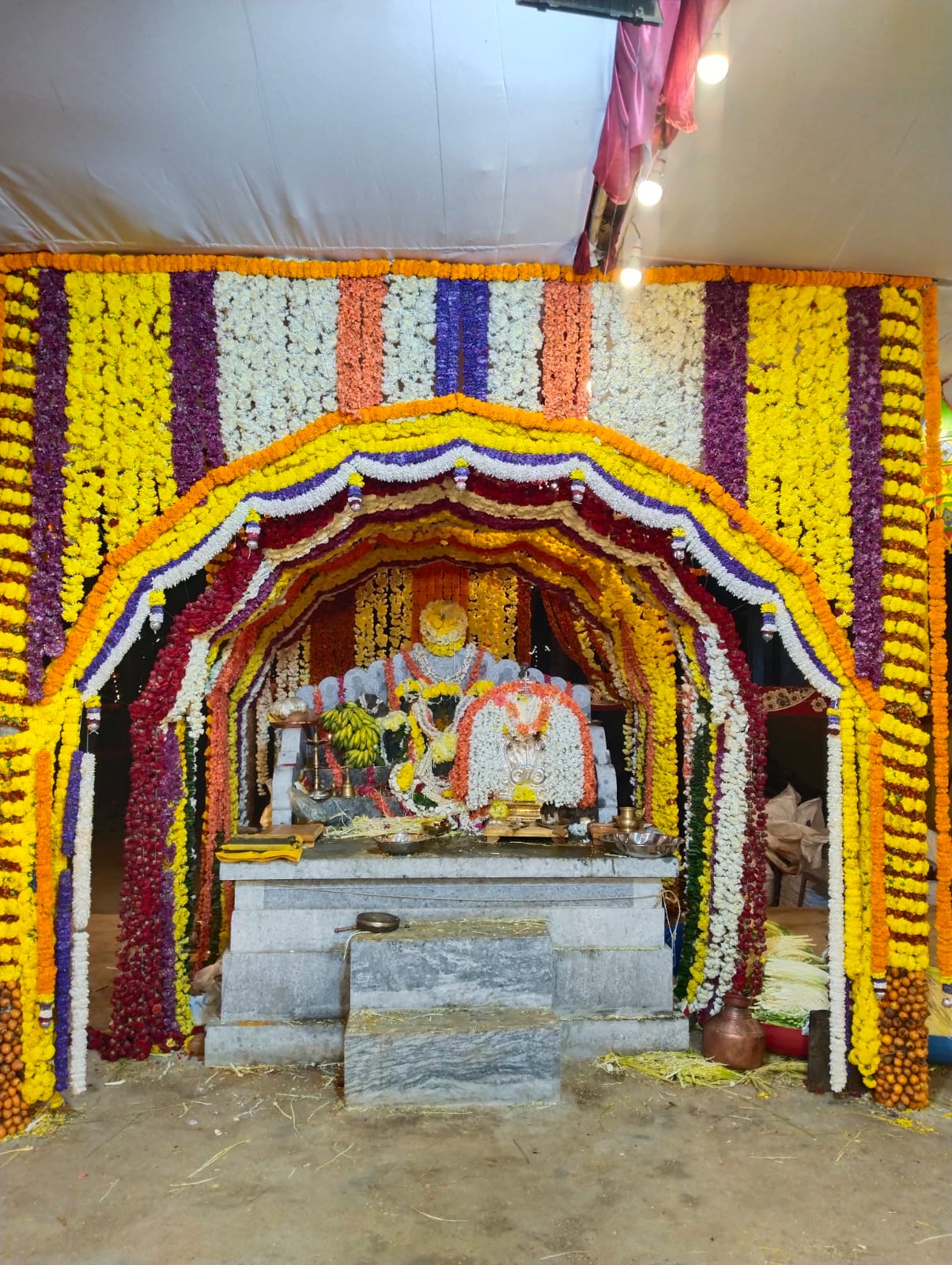
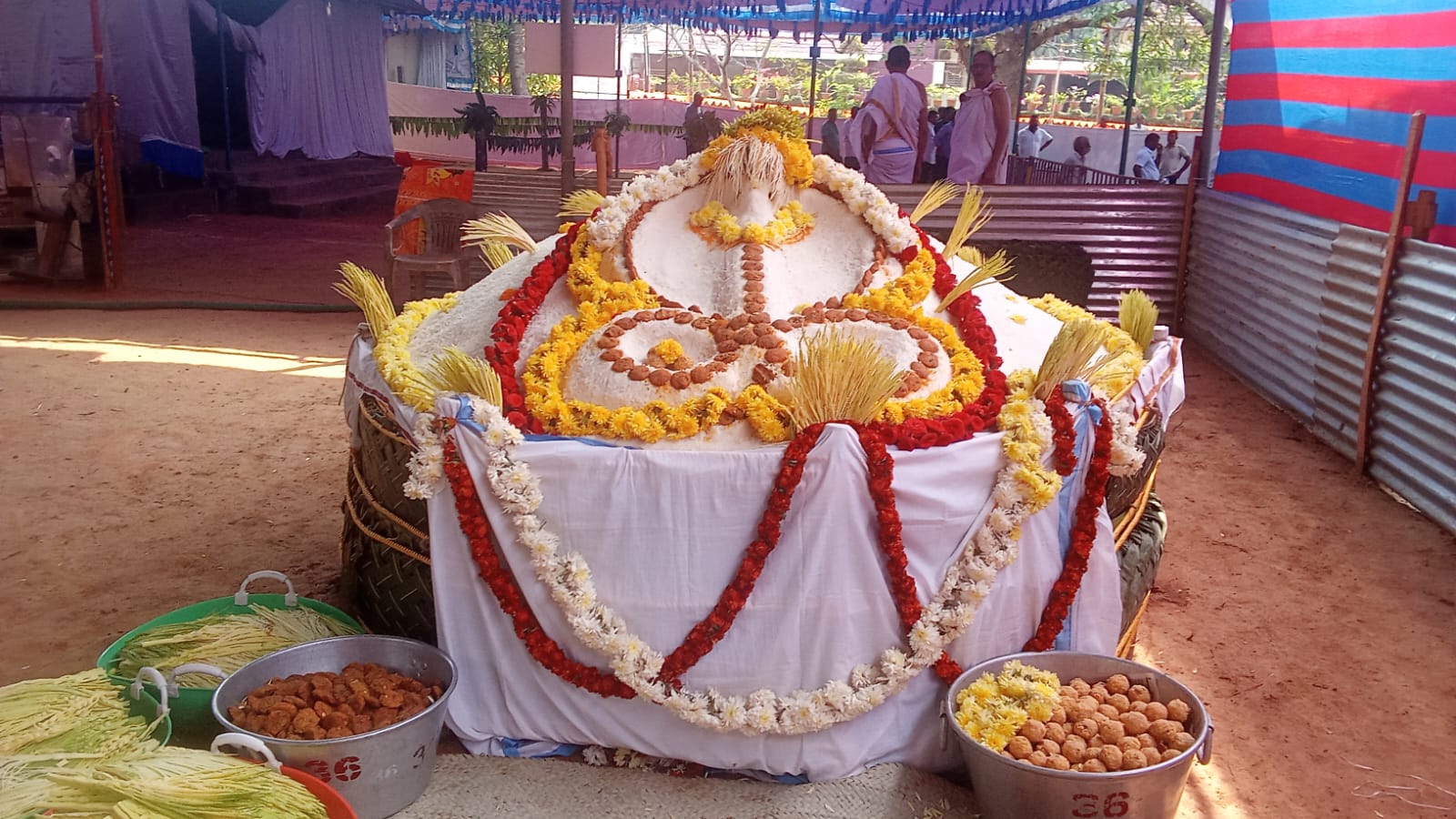
Sacred Procession of the Festival Deity
One of the most visually magnificent highlights of the concluding day was the Pura Meravaniге (town procession) of the Utsava Murti (festival idol) of Sri Naga Devaru. The sacred procession began at the Adimula Nagabana — the ancient and revered serpent grove located in the vicinity of the Hoshala Sri Mahalakshmi Temple in Barkur — where the traditional Haalittu Seva (offering of milk to the serpent deity) was solemnly performed.
Following the milk-offering ritual, the Swastike (sacred auspicious symbol of the deity) and the Utsava Murti were ceremonially received and carried in a grand procession through the streets of Barkur, accompanied by the resonant chanting of Vedic hymns and the beats of Mangala Vadyas (traditional auspicious instruments). The procession, which wound through the town in traditional splendour, culminated as the deity was brought back in full honour to the Mula Sannidhi — the principal sanctum — of the Nagamandala.
Religious Rituals and Ceremonies
At the Mula Sannidhi of Sri Naga Devaru, a series of deeply significant religious rites were performed with great sanctity:
- Haalittu Seva — The ceremonial offering of milk to the Naga deity, considered one of the most auspicious offerings in the Tulu Nadu tradition.
- Mandala Puje — The elaborate and intricate ritualistic worship of the sacred Mandala, a central element of the Nagamandala tradition, performed with precision by seasoned priests and ritual performers.
- Chatushpavitra Nagamandalotsava — The culminating grand festival ritual, representing the four-fold sacred observance in honour of the Naga (serpent) deity, a tradition deeply rooted in the spiritual and cultural fabric of coastal Karnataka.
- Prasada Vitarane — The distribution of sacred prasada to the assembled devotees, marking the auspicious conclusion of the rituals.
Massive Turnout of Devotees
In a remarkable testament to the deep faith and devotion of the people of Barkur and surrounding regions, the event witnessed an overwhelming public response. From afternoon through the night, an estimated 15,000 or more devotees thronged the venue to participate in the sacred celebrations and receive Annaprasada — the blessed community meal — which was distributed in abundance throughout the day and evening.
The seamless organisation of food distribution for such a vast gathering was widely appreciated and reflected the dedicated efforts of the organising committee, volunteers, and well-wishers of the event.
A Celebration Rooted in Tradition
The Chatushpavitra Nagamandalotsava is one of the most sacred festivals in the Tulu Nadu tradition, dedicated to the propitiation of Naga Devaru (the serpent deity), who is venerated as a powerful protector and benefactor of families and communities. The Nagabana — a grove traditionally dedicated to serpent worship — holds a place of immense sanctity in the religious life of the coastal Karnataka region.
The three-day event, spanning from March 5th to the early morning of March 7th, was a profound blend of ancient ritual, community participation, and spiritual fervour — reaffirming the living heritage of Barkur as a town steeped in tradition and devotion.
The successful conduct of the Barkur Chatushpavitra Nagamandalotsava stands as a shining example of community faith, cultural continuity, and the enduring spirit of devotion that defines the sacred landscape of coastal Karnataka.